From Darren, the owner
Ask for the readings, not just a checkmark. A real tune-up leaves numbers on the service ticket: carbon monoxide in the flue, temperature rise across the heat exchanger, gas pressure and blower amperage. If a visit ends with a sticker on the furnace and no numbers, it was a cleaning, not an inspection.
A furnace tune-up is a scheduled inspection, cleaning and safety test of a heating system, carried out before the furnace is asked to run for long stretches. In Rochester, NY, where a gas furnace commonly runs from October into April, it is the single maintenance task that has the most direct effect on safety, running cost and the likelihood of a breakdown. Dalton Heating & Cooling has carried out furnace tune-ups across Greater Rochester since 1989, and the checklist, costs and timings set out here are the ones our technicians work to.
A proper visit is more than a filter change and a vacuum. It includes a combustion test, a heat exchanger inspection, a check of every safety control and a written record of the readings taken. Homeowners booking a furnace tune-up service in Rochester should expect to see those numbers, and the sections that follow explain what each one means, what the work costs locally and how often it should be done.
What Is a Furnace Tune-Up, and Why Do Rochester Homes Need One?
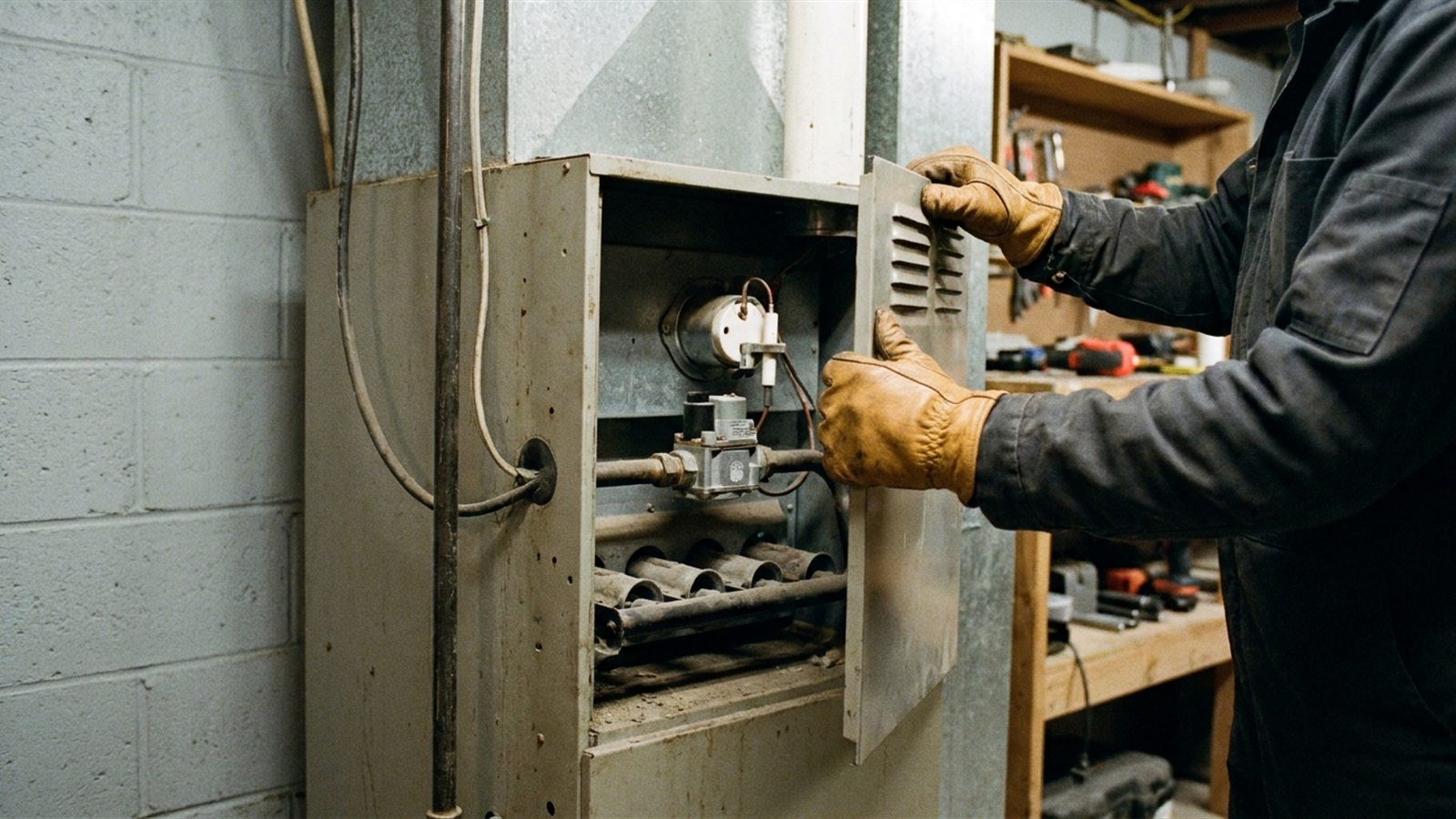
A furnace tune-up is preventive maintenance with three aims: confirm the furnace is burning safely, restore the efficiency it loses through a season of dust and wear, and find failing parts before they stop the system. The technician opens the cabinet, cleans the components that affect combustion and airflow, tests the safety controls and measures how the furnace performs under load. The result is a furnace that has been checked against its manufacturer’s specifications rather than simply switched on and observed.
The case for annual furnace maintenance is stronger in Rochester than in most of the country. A Monroe County heating season is long, and lake-effect cold snaps push furnaces into near-continuous operation for days at a time. Every hour of runtime adds dust to the blower, carbon to the burners and heat stress to the heat exchanger. A furnace working through a full Rochester winter accumulates that wear considerably faster than one in a milder climate.
The housing stock matters as well. Much of Greater Rochester was built between the 1920s and the 1970s, and many of those homes still have original ductwork, older chimneys used for venting and furnaces that are well into their second decade. Those are the systems where a tune-up finds the most: a cracked heat exchanger, a deteriorating flue connector or a blower motor drawing far more current than it should. On newer high-efficiency furnaces the focus shifts to condensate drains, pressure switches and the PVC venting, but the principle is the same.
What Does a Furnace Tune-Up Include on Our Furnace Maintenance Checklist?
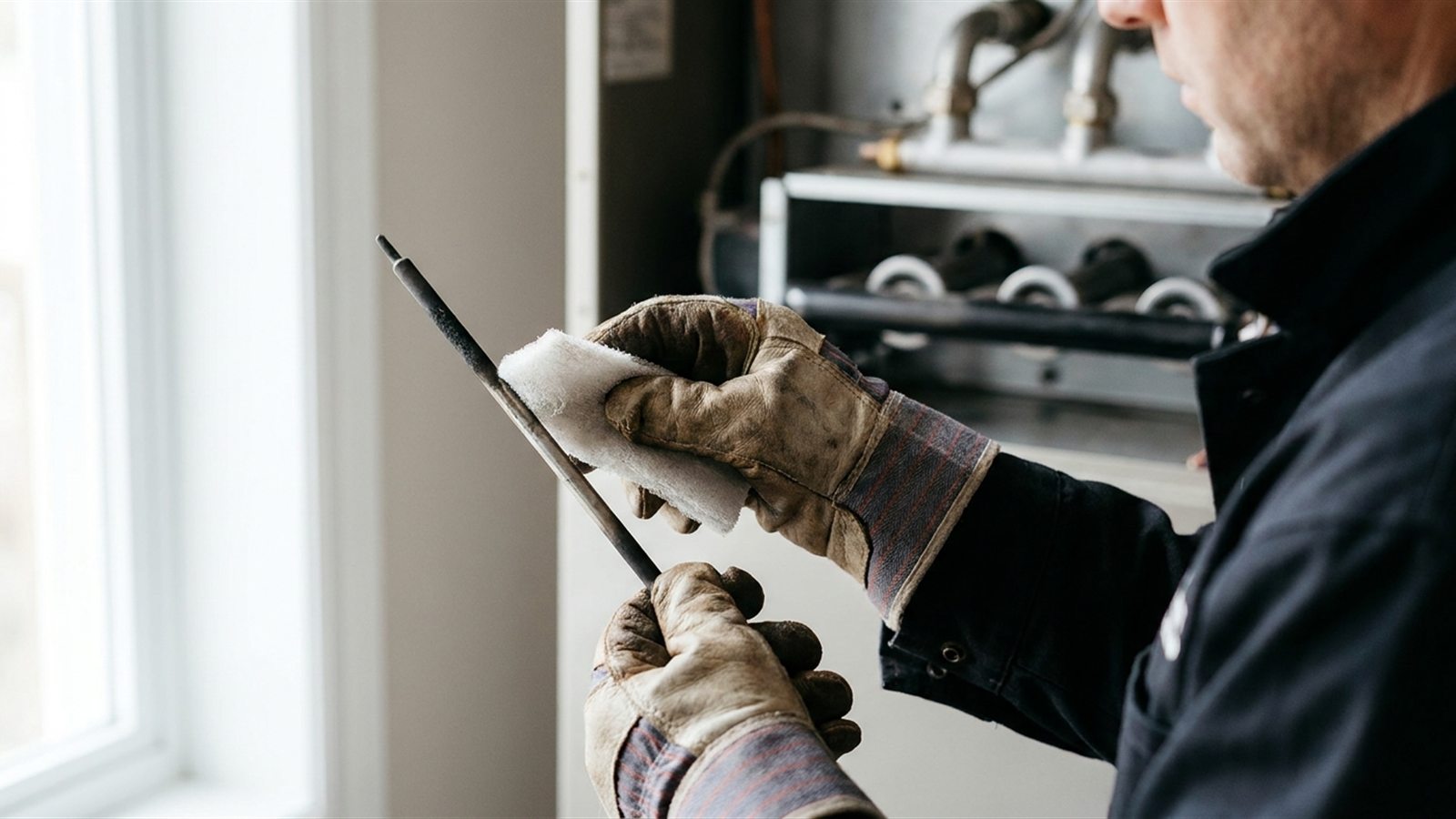
What a furnace tune-up includes varies between contractors, which is why it is worth knowing the full list before booking. Dalton technicians complete the following checklist on every gas furnace. Each item is either cleaned, tested against a specification or both, and the readings are recorded on the service ticket so they can be compared year on year.
| Checklist item | What is done | Why it matters |
|---|---|---|
| Burners and ignitor | Inspected, cleaned, flame pattern checked | Dirty burners produce uneven flame and incomplete combustion |
| Flame sensor | Removed and cleaned | The most common cause of a furnace that lights and then shuts off |
| Heat exchanger | Inspected for cracks, rust and corrosion | A cracked exchanger can allow combustion gases into the airstream |
| Combustion and flue gases | Carbon monoxide measured in the flue and at registers | Confirms the furnace is burning cleanly and venting fully |
| Venting and chimney connection | Checked for blockage, leaks and correct slope | Blocked or disconnected venting is a carbon monoxide risk |
| Gas pressure | Manifold pressure measured and adjusted to specification | Incorrect pressure affects efficiency and heat exchanger life |
| Safety controls | High limit, rollout and pressure switches tested | These shut the furnace down safely when something goes wrong |
| Blower motor and wheel | Cleaned, amperage measured, capacitor tested | A dirty wheel cuts airflow and overworks the motor |
| Temperature rise | Supply and return air temperatures measured | Shows whether airflow across the heat exchanger is within range |
| Electrical connections | Tightened and inspected for heat damage | Loose connections cause intermittent faults and failed parts |
| Condensate drain (high-efficiency units) | Trap and line cleared and flushed | A blocked drain trips the pressure switch and stops the furnace |
| Air filter and thermostat | Filter checked or replaced, thermostat calibrated | Confirms airflow and that the furnace responds to the setting |
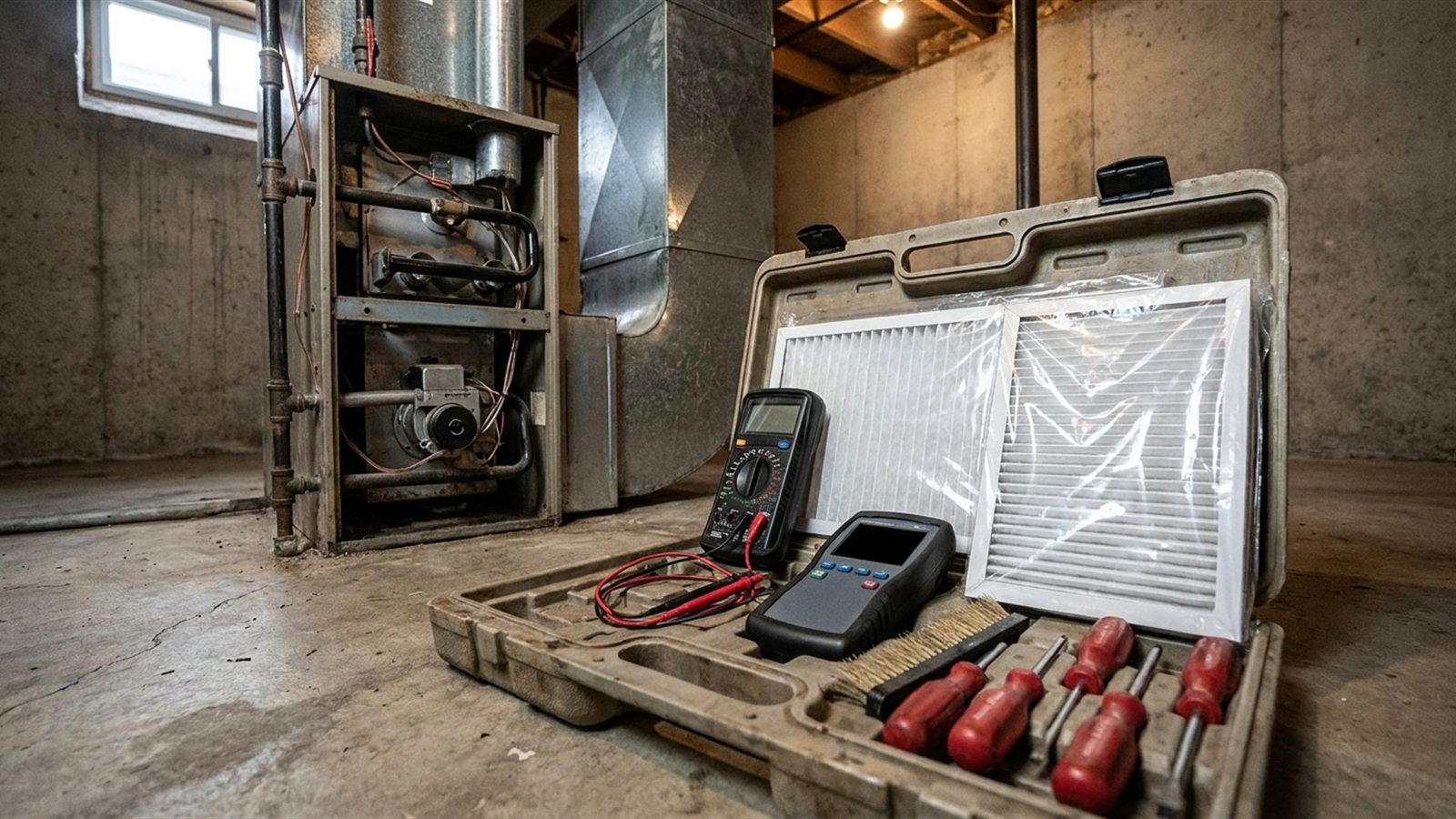
Some of these steps are visible from the basement stairs and some are not. A homeowner can see the filter being changed, but the gas pressure, temperature rise and carbon monoxide readings require instruments, and they are the steps that most clearly separate a full furnace inspection from a quick clean. If a quote describes a tune-up without mentioning combustion testing, it is worth asking whether that test is included.
Readings a furnace tune-up should record
- Carbon monoxide level in the flue gases, in parts per million
- Temperature rise across the heat exchanger, compared with the range on the furnace rating plate
- Manifold gas pressure
- Blower motor amperage and capacitor value
- Ambient carbon monoxide at the furnace and the nearest supply registers
- Any part recommended for replacement, with the reason stated
Carbon monoxide testing deserves particular attention. A furnace burning poorly can produce carbon monoxide long before there is any visible sign of a problem, and the gas has no color or smell. The EPA’s indoor air quality guidance lists poorly maintained fuel-burning appliances among the main household sources, which is why combustion testing sits at the center of every visit rather than at the end of it.
How Much Does a Furnace Tune-Up Cost in Rochester, NY?
A standard gas furnace tune-up in the Rochester area costs between $100 and $200. Oil furnaces sit higher because the visit includes replacing the nozzle and oil filter and cleaning soot from the combustion chamber. The price of the visit covers the full checklist; parts are only added when a component tests outside its specification, and the cost is confirmed before any part is fitted.
| Service or part | Typical Rochester cost | How often it is needed |
|---|---|---|
| Gas furnace tune-up, full checklist | $100 – $200 | Every year |
| Oil furnace tune-up with nozzle, filter and cleaning | $175 – $300 | Every year |
| Flame sensor replacement | $100 – $250 | Occasional |
| Hot surface ignitor replacement | $150 – $350 | Occasional, more common after 10 years |
| Blower motor capacitor replacement | $120 – $275 | Occasional |
| Draft inducer motor replacement | $400 – $900 | Uncommon |
Several factors move the price within those ranges. A furnace that has gone several years without service usually takes longer to clean, particularly the blower wheel. Furnaces in tight crawlspaces or finished basements with limited access take more time to open up. Homes with two heating systems, which are common in larger houses in Pittsford and Penfield, are priced per system, although both are normally serviced on the same visit.
Price alone is a poor way to compare tune-up offers. A very low advertised price often covers a basic inspection only, with combustion testing and cleaning charged separately, or it is used to open a conversation about replacement. A fair furnace tune-up cost reflects the time needed to complete every item on the checklist, and the useful question to ask is what is included rather than what the headline figure is.
How Often Is Furnace Maintenance Needed in Greater Rochester?
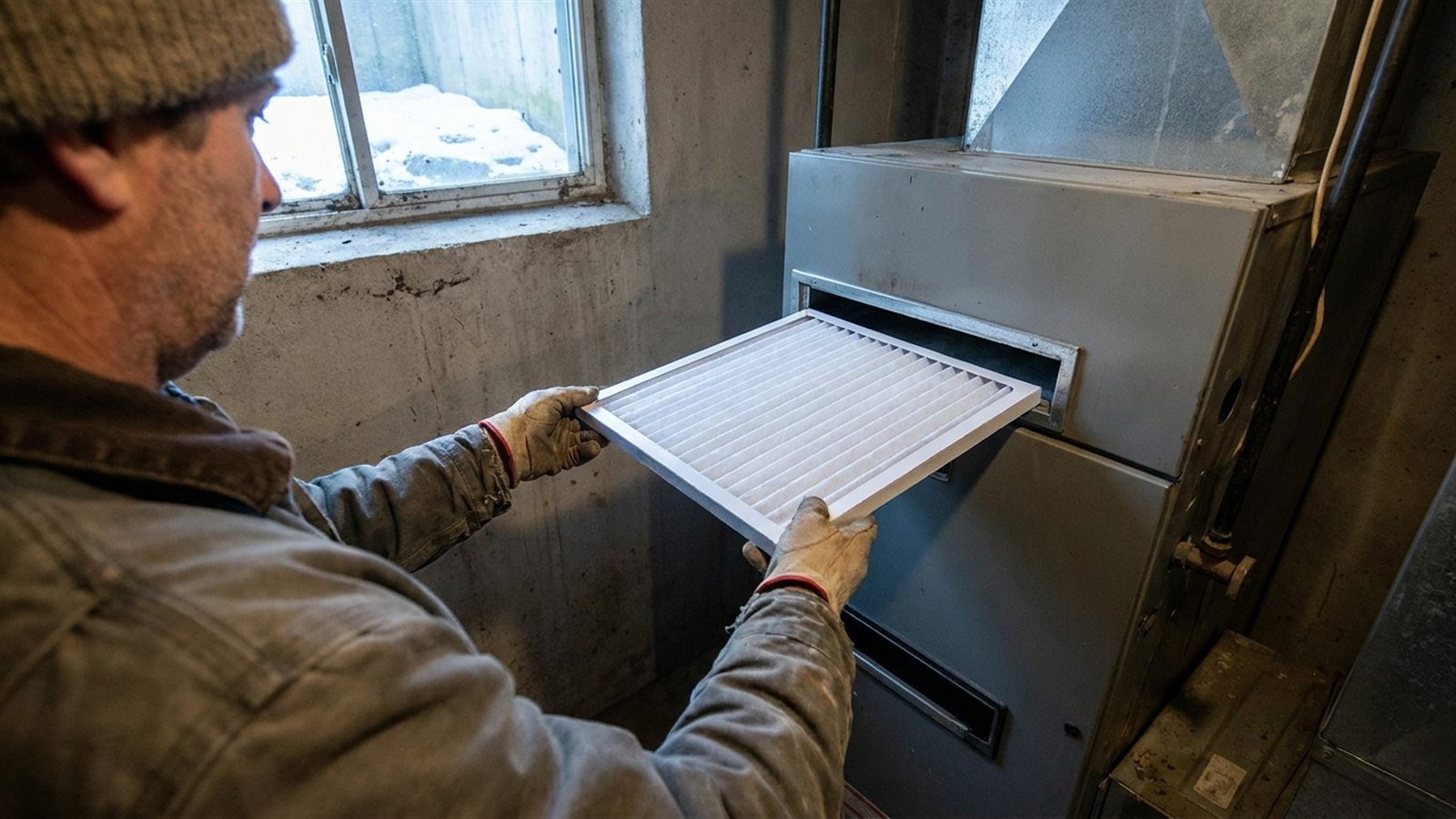
A gas or oil furnace should be serviced once a year. That interval is the standard recommendation from manufacturers, and in Rochester it matches the length and intensity of the heating season closely. Annual furnace maintenance keeps the gap between inspections short enough that wear on the heat exchanger, ignitor and blower is caught while it is still minor.
Some homes benefit from a shorter interval. Oil furnaces build up soot faster than gas furnaces and can need attention mid-season if the burner is out of adjustment. Homes with pets, ongoing renovation work or a furnace that also works as the air handler for central air put more dust through the system, which affects the blower and the filter first. Rental properties, where the occupant may not change filters, also tend to need closer attention.
Between visits, the filter is the homeowner’s responsibility, and it has more influence on furnace health than any other single item. A one-inch filter in a Rochester home generally needs changing every one to three months during the heating season, and the full schedule by filter type is covered in our page on how often to change a furnace filter. A restricted filter raises the temperature inside the heat exchanger, which shortens its life and can trip the high-limit switch.
Recommended furnace maintenance intervals
- Gas furnace tune-up: once a year, before the heating season
- Oil furnace tune-up: once a year, with a mid-season check if soot or smoke appears
- One-inch air filter: every one to three months while the furnace is in use
- Four- or five-inch media filter: every six to twelve months
- Carbon monoxide detector test: monthly, with batteries replaced as the maker advises
When Should You Schedule Annual Furnace Maintenance in Rochester?
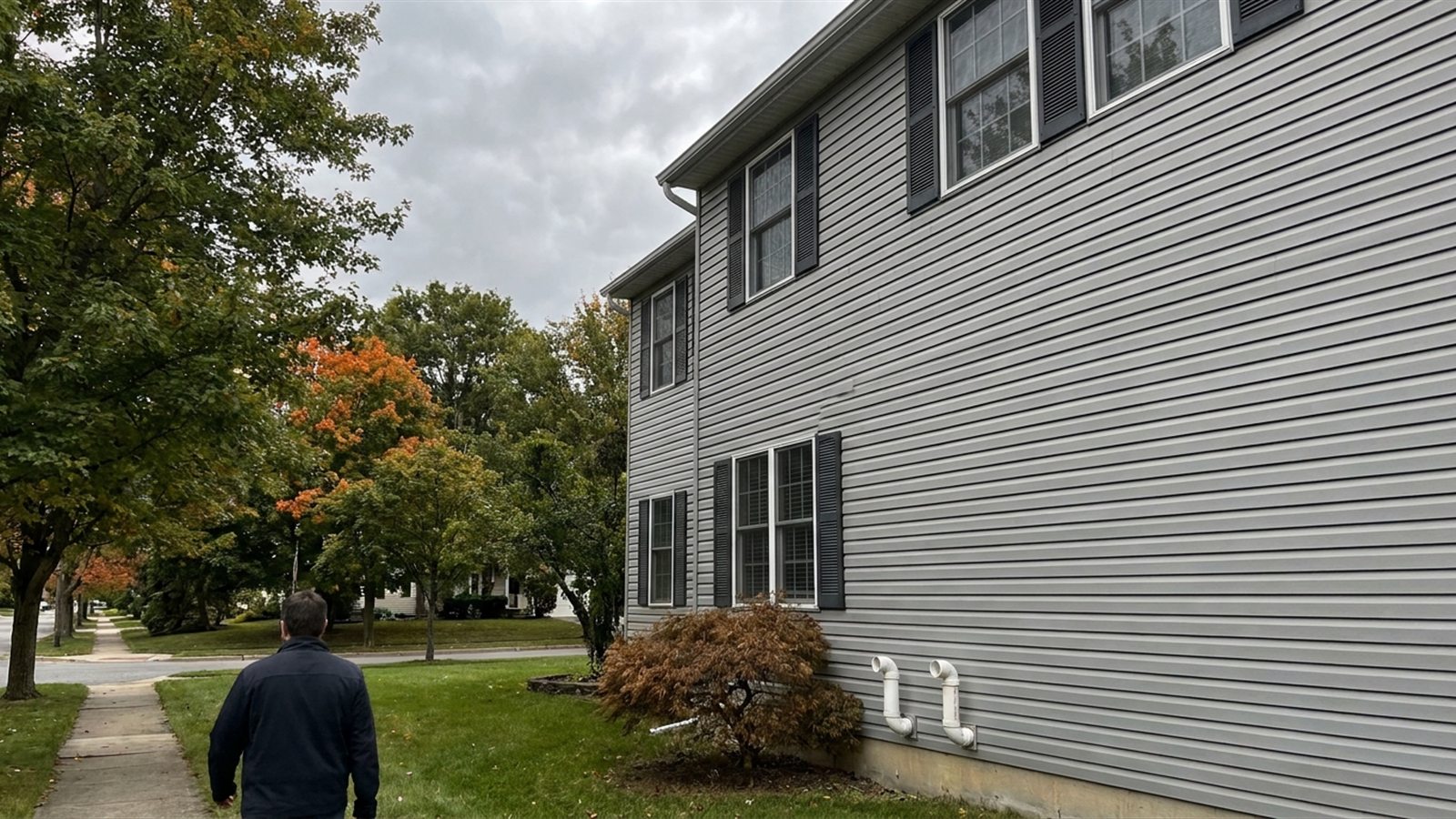
The best time to schedule annual furnace maintenance is between September and early November, before the furnace begins running for long periods each day. A tune-up at that point tests the system under conditions close to those it is about to face, and any part found close to failure can be replaced on a planned visit instead of during a breakdown.
Timing also matters for the exterior components that are easy to forget. On a high-efficiency furnace, the intake and exhaust pipes leave the house through a side wall, and they need clear space around them once snow begins to accumulate. A technician checks that the terminations are clear of shrubs, nests and debris, and that they sit high enough above the expected snow line. A blocked intake or exhaust is one of the most common reasons a modern furnace stops in mid-winter, and it is entirely preventable.
A furnace that missed its service before the heating season still benefits from one later. There is no reason to wait for spring, and a mid-winter tune-up on a furnace that is already running gives the technician a clear picture of how it performs in sustained use. Households with a heat pump and gas furnace working together should have both serviced, with the furnace checked ahead of the heating season and the heat pump inspected as part of the same visit.
Ready to Schedule Annual Furnace Maintenance?
Book a furnace tune-up with the full checklist, combustion testing and a written record of every reading. Our scheduler confirms a time window and the type of furnace before the visit.
How Long Does a Furnace Tune-Up Take in a Rochester Home?
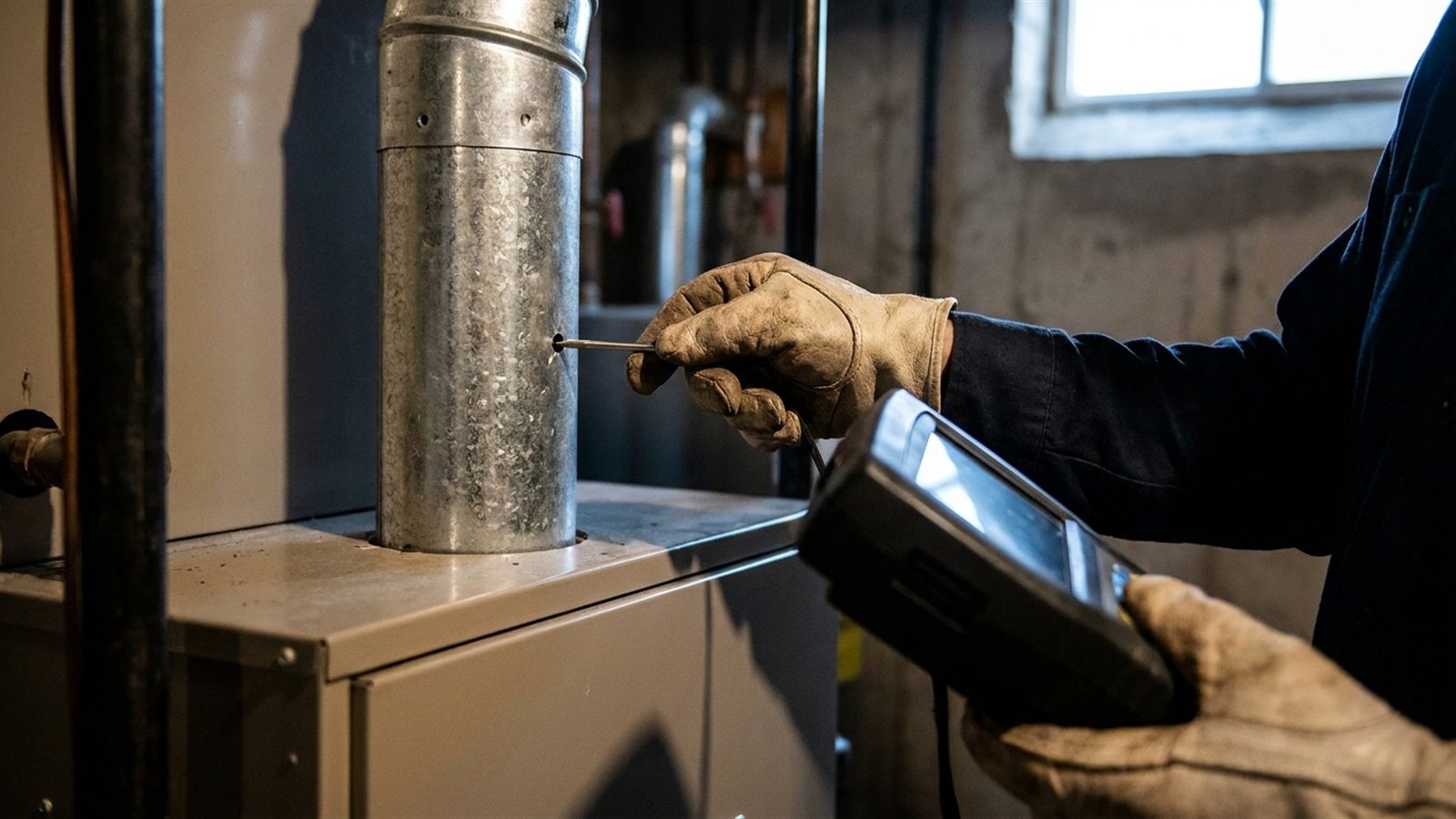
A furnace tune-up on a gas furnace in reasonable condition takes between 60 and 90 minutes. An oil furnace, a system that has not been serviced for several years or a home with two furnaces can take two hours or more. Most of that time is spent on cleaning and testing rather than on setup, and the visit follows the same sequence every time.
The furnace tune-up visit in order
- Step 1, initial run: the furnace is started from the thermostat and its start-up sequence observed.
- Step 2, shutdown and access: power and gas are isolated and the cabinet panels removed.
- Step 3, cleaning: burners, flame sensor, blower wheel and cabinet are cleaned; the condensate trap is flushed on high-efficiency units.
- Step 4, inspection: the heat exchanger, venting, wiring and safety switches are inspected.
- Step 5, testing under load: with the furnace running, gas pressure, temperature rise, blower amperage and carbon monoxide are measured.
- Step 6, report: the readings are recorded and any recommended work is explained, with a price, before anything is replaced.
The final step is the one homeowners should hold a contractor to. Every recommendation should come with the reading or observation behind it, so that the decision about a repair rests on evidence rather than on a verbal warning. If a part is close to its limit but still within specification, the honest advice is to note it and check it again at the next visit.
Homeowners do not need to be present for the full visit, but it helps to be available at the start and the end. Clearing a three-foot space around the furnace, noting any unusual noises or short cycling noticed during the season and having the last service record to hand all make the visit faster and the findings more useful.
“They were very professional installing my furnace 5.5 years ago and had great ideas for the installation in an old house. Furnace has run beautifully and my heat bills were lowered considerably. When I scheduled the maintenance call, their scheduling was timely, they were prompt, professional and friendly. Did a great job.”
Mystery Chaser ★★★★★
Google review, furnace installation and maintenance call · See more on Google
Which Furnace Inspection Findings Need Attention Before Winter?
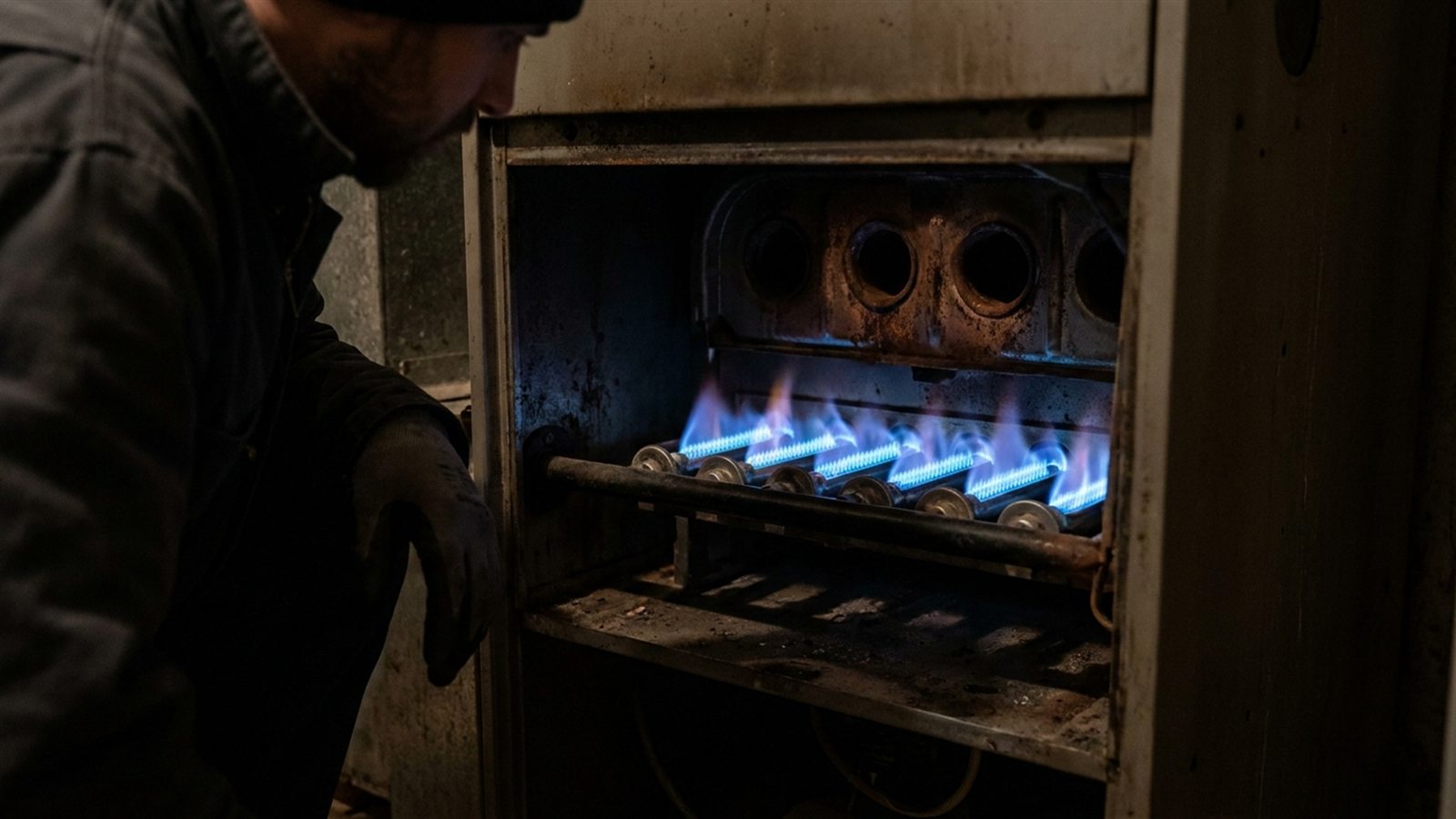
Most furnace inspections end with nothing more than cleaned components and a set of readings within range. When a finding does need attention, it usually falls into one of a small number of categories. Some can wait until the next visit; others should be dealt with before the furnace runs again.
| Finding | What it indicates | Urgency |
|---|---|---|
| Yellow, lifting or uneven burner flame | Incomplete combustion, dirty burners or a venting issue | Correct before continued use |
| Elevated carbon monoxide in the flue | Poor combustion or restricted venting | Correct before continued use |
| Crack or hole in the heat exchanger | Possible route for combustion gases into the home | Furnace shut down until resolved |
| Weak or failing ignitor | Ignition delays, eventual no-heat call | Replace now or plan for it |
| High blower amperage or weak capacitor | Motor under strain, likely to fail | Plan replacement |
| Temperature rise outside the rated range | Airflow restriction or incorrect gas input | Investigate ducts and filter |
The burner flame is one of the clearest indicators. A healthy gas flame is steady and blue with a small, defined inner cone. A flame that is yellow, lazy or lifting off the burner points to incomplete combustion, which raises carbon monoxide output and deposits soot inside the heat exchanger. If a flame changes when the blower starts, that is a classic sign of a heat exchanger leak and is always investigated further.
When a tune-up uncovers a fault that needs more than adjustment, the work moves from maintenance to furnace repair in Rochester. Our technicians carry the common parts, including ignitors, flame sensors, capacitors and pressure switches, so most findings are resolved on the same visit once the homeowner has approved the price.
How Does a Gas Furnace Tune-Up Differ From an Oil Furnace Tune-Up?
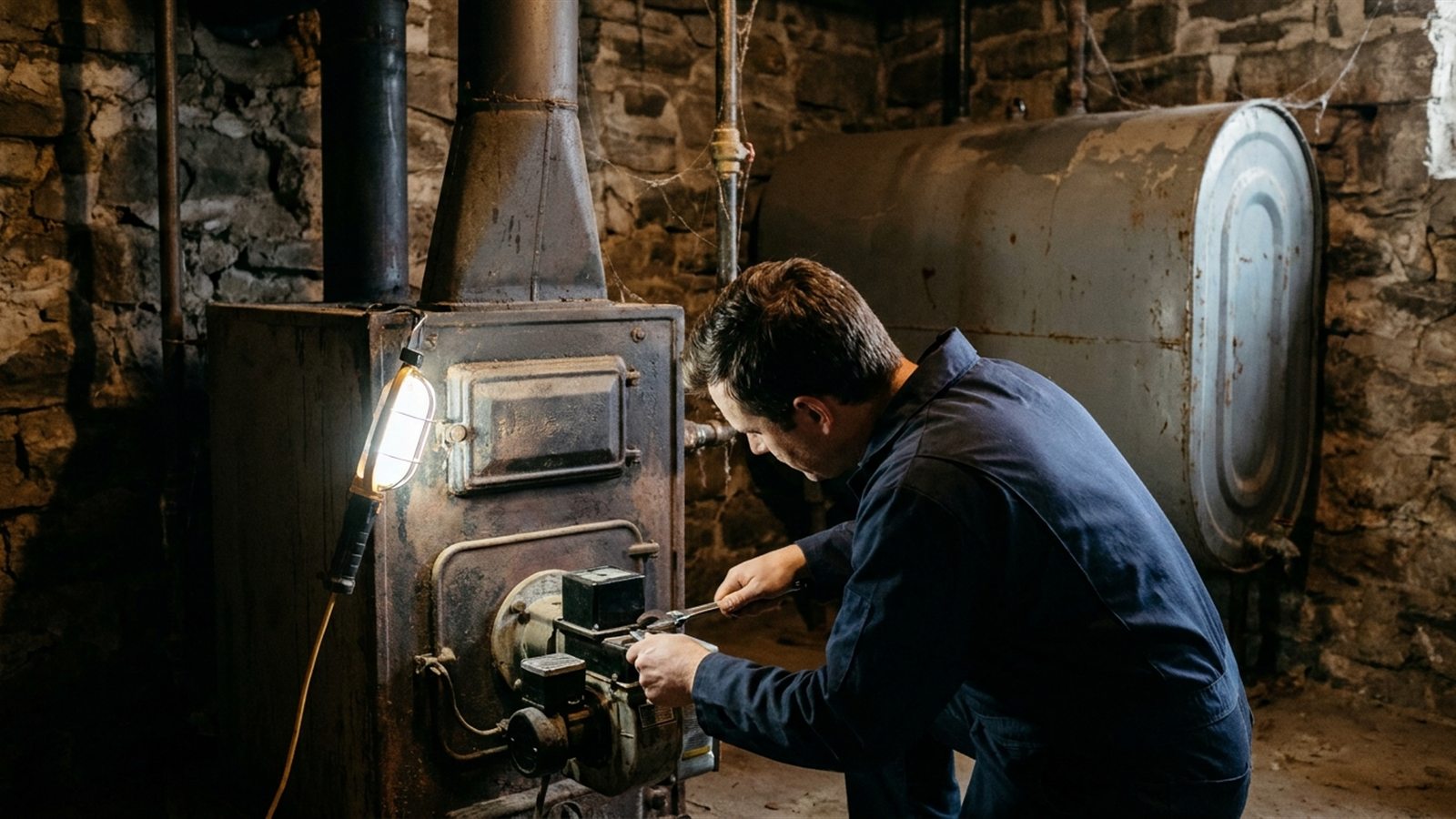
Most homes in Rochester and its inner suburbs heat with natural gas supplied by RG&E, but oil furnaces remain common in older farmhouses and in rural parts of Ontario and Wayne counties beyond the gas network. The two need different work. A gas furnace tune-up concentrates on combustion testing, safety controls and airflow. An oil furnace tune-up adds a substantial amount of cleaning and parts replacement, because oil combustion leaves soot behind.
| Task | Gas furnace tune-up | Oil furnace tune-up |
|---|---|---|
| Burner work | Clean burners, check flame pattern | Replace nozzle, adjust electrodes, set air band |
| Filters | Air filter | Air filter plus oil line filter and pump strainer |
| Cleaning | Burners, flame sensor, blower | Soot removed from combustion chamber and flue passages |
| Combustion test | Carbon monoxide and gas pressure | Smoke test, draft, CO2 and stack temperature |
| Venting | PVC or chimney connection inspected | Chimney connector and barometric damper inspected |
| Typical visit length | 60 to 90 minutes | 90 minutes to 2 hours |
The oil furnace tune-up is less optional than its gas equivalent. A small amount of soot insulates the heat exchanger and measurably reduces efficiency, and a burner that drifts out of adjustment can produce heavy soot quickly. Annual nozzle replacement and combustion setup keep an oil furnace burning cleanly through the season and reduce the risk of a puff-back, where unburned oil ignites in the chamber and spreads soot through the house.
For gas furnace owners, the type of furnace matters more than the fuel. A standard-efficiency gas furnace vents into a chimney and has fewer components to service, while a 95 percent high-efficiency furnace adds a condensate system, a secondary heat exchanger and PVC venting. Both receive a full gas furnace tune-up, but the high-efficiency model has more items on the checklist and the condensate drain is the part most often found blocked.
Is a Furnace Tune-Up Worth It for a Rochester Home?
For most homes the answer is yes, and the reasons are practical rather than promotional. The first is safety: a furnace that burns gas or oil inside the home should have its combustion and venting tested every year, and a tune-up is the visit that does it. The second is reliability. The parts that fail most often in winter, such as ignitors, flame sensors, capacitors and inducer motors, usually show measurable signs of wear before they stop working, and a tune-up is where those signs are found.
The third reason is running cost. A dirty blower, an out-of-adjustment burner or a restricted filter makes the furnace run longer to deliver the same heat. The U.S. Department of Energy’s heating and cooling guidance identifies regular maintenance as one of the most effective ways to keep a heating system operating at its rated efficiency. Over a Rochester heating season, the difference between a furnace running at its rated efficiency and one that has drifted below it is visible on the RG&E bill.
Equipment life is the fourth consideration. A gas furnace that is maintained annually commonly lasts 15 to 20 years, and the realistic lifespan for different furnace types is explained in our page on how long a furnace lasts in Rochester. Many manufacturers also expect proof of regular professional maintenance when a warranty claim is made, so the service ticket from each tune-up is worth keeping with the furnace paperwork.
There are situations where the value is lower. A furnace in its first year after installation is normally checked at the installer’s follow-up visit, and a furnace that is due for replacement within months may not justify a full service. In those cases the honest recommendation is a safety check only, and that is what we advise.
What Furnace Cleaning Can Homeowners Do Between Tune-Ups?
Furnace cleaning inside the cabinet, including the burners, flame sensor and blower, belongs to the technician, because it involves the gas valve, electrical controls and components that are easily damaged. There is still a short list of tasks that homeowners can carry out safely between visits, and they make a noticeable difference to how the furnace performs through the season.
Safe homeowner furnace maintenance
- Check the air filter monthly during the heating season and replace it when it looks grey
- Keep a three-foot clear space around the furnace, with nothing flammable stored nearby
- Keep supply registers and return grilles open and clear of furniture and rugs
- Clear snow and debris from high-efficiency intake and exhaust pipes outside
- Test carbon monoxide detectors monthly and keep one on every level of the home
- Note unusual noises, smells or short cycling and report them at the next visit
Homeowners should not remove the burner assembly, adjust the gas valve or attempt to reset the furnace repeatedly when it locks out. A furnace that shuts down several times in a row is protecting itself from a fault, and resetting it again only repeats the condition that caused the lockout. That pattern is a reason to call for service rather than to keep trying.
How Do You Book a Furnace Tune-Up Near You in Greater Rochester?
Dalton Heating & Cooling is based at 1556 Brace Rd in Victor and carries out furnace tune-ups throughout Monroe and Ontario counties, and the same family has run the business since 1989. Booking takes a single call to 585-425-8116, and our scheduler confirms a time window and the type of furnace before the visit, so the technician arrives with the right parts.
Coverage includes Victor, Fairport, Farmington, Mendon, Honeoye Falls, Canandaigua, Brighton, Spencerport, Brockport and East Rochester. Two of our busiest areas for furnace maintenance are the older housing around Pittsford Village, where we provide HVAC service in Pittsford on everything from 1920s oil conversions to new high-efficiency installs, and the postwar neighborhoods covered by our HVAC service in Henrietta, where many original furnaces have already been replaced once.
Every tune-up ends with a written record of the readings and an explanation of anything that needs attention. There is no obligation to proceed with recommended work on the day, and where a repair can reasonably wait until the next service, we say so. Emergency service is available 24 hours a day by phone if the furnace stops outside office hours.
Our Furnace Maintenance Service Work Covers Homes Across Greater Rochester.
These photographs come from Dalton furnace and heating jobs around Rochester, from basement furnace installations to outdoor condenser and heat pump work. Many of these systems now receive annual furnace maintenance from the same team that installed them. Servicing equipment we installed means the technician already knows the venting, the ductwork and the history of the system before the visit begins.
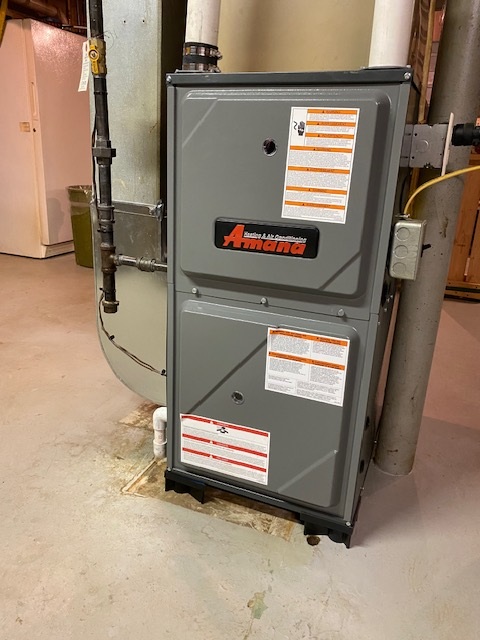


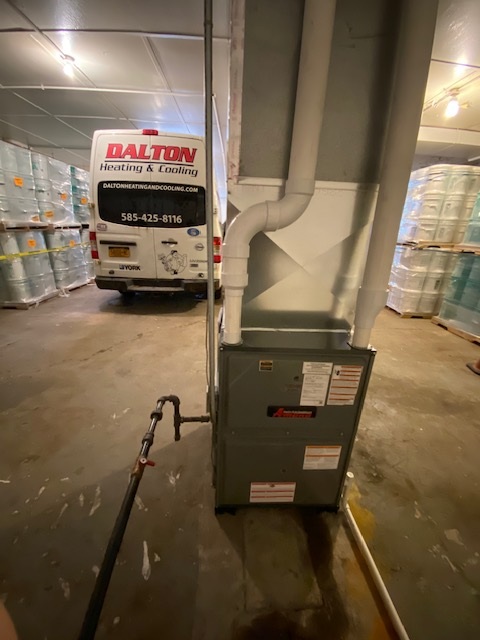

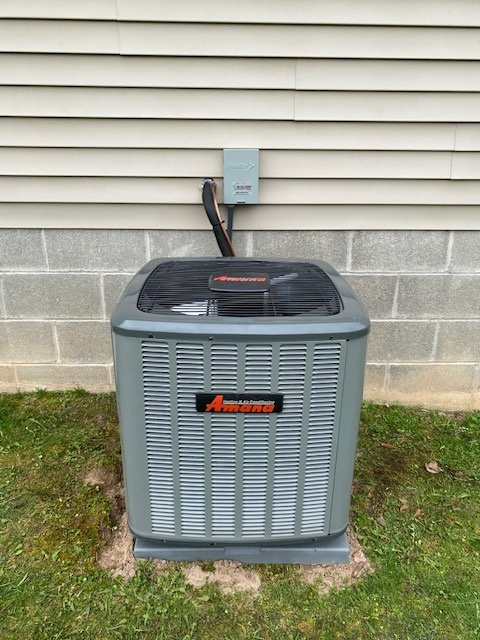
Scheduling a furnace tune-up takes one phone call, and the visit is booked around a time that suits the household. The technician arrives with the parts most often needed for that type of furnace. Homes with both a furnace and central air can have both systems checked on the same visit.
Is It Time to Book Your Furnace Tune-Up?
Full checklist, combustion and carbon monoxide testing, and the readings in writing. Call to book a time, or send a request and our scheduler will confirm a window.
Family-owned Rochester HVAC since 1989, free over the phone, free in-home proposals, no upsell.
What Do Rochester Homeowners Ask About Furnace Tune-Ups?
How Much Does A Furnace Tune-Up Cost In Rochester, NY?
A gas furnace tune-up in the Rochester area typically costs $100 to $200, and an oil furnace tune-up with nozzle, filter and cleaning typically costs $175 to $300. Parts are charged only when a component tests outside its specification, and the price is confirmed before anything is replaced.
What Does A Furnace Tune-Up Include?
A full furnace tune-up includes cleaning the burners, flame sensor and blower, inspecting the heat exchanger and venting, testing the safety switches, measuring gas pressure and temperature rise, testing for carbon monoxide, checking electrical connections, clearing the condensate drain on high-efficiency units and checking the filter and thermostat. The readings should be recorded on the service ticket.
How Long Does A Furnace Tune-Up Take?
A gas furnace in reasonable condition takes 60 to 90 minutes. An oil furnace, a furnace that has gone several years without service or a home with two systems can take two hours or more.
How Often Should You Service Your Furnace?
Once a year, ideally between September and early November before the furnace starts running for long periods. Oil furnaces may need a mid-season check if soot or smoke appears, and the air filter should be checked monthly while the furnace is in use.
Is A Furnace Tune-Up Worth It On A Newer Furnace?
Yes, once the furnace is past its first year. High-efficiency furnaces have condensate drains, pressure switches and PVC venting that need regular attention, and many manufacturers expect proof of annual professional maintenance when a warranty claim is made.
Can I Do My Own Furnace Tune-Up?
Homeowners can change the filter, keep the area around the furnace clear, clear outdoor vent pipes and test carbon monoxide detectors. Cleaning the burners, testing combustion, measuring gas pressure and inspecting the heat exchanger require instruments and training, and they should be carried out by a qualified technician.