
From Darren, the owner
Do not switch the thermostat to emergency heat because the house feels a little cool. If AUX shows for short spells on a cold morning or while the outdoor unit defrosts, the system is doing its job. If AUX stays on all day when it is above 40 degrees outside, or the outdoor unit is covered in solid ice, call us, because that is a fault, not the weather.
Aux heat and emergency heat are the two thermostat settings that cause the most questions from heat pump owners in Rochester, NY, and they appear exactly when the weather turns coldest. Aux heat is backup heat that switches on automatically to help the heat pump, while emergency heat is a manual setting that shuts the heat pump off and runs the backup heat on its own. Knowing which one is running, and why, is the quickest way to tell a heat pump that is working normally in a Western New York winter from one that needs repair. Dalton Heating & Cooling has serviced heat pumps across Greater Rochester since 1989.
A heat pump that blows lukewarm air, shows AUX on the thermostat or releases a cloud of vapor from the outdoor unit is usually behaving as designed. A heat pump that runs constantly without warming the house, stays in auxiliary heat on mild days or builds up thick ice is not. Understanding how aux heat, emergency heat and defrost mode work, what each costs to run and which checks are safe for a homeowner makes it much easier to tell when a call for heat pump repair in Rochester is the right next step.
Heat Pump Not Keeping Up With the Cold?
Our technicians diagnose heat pumps, air handlers and backup heat across Greater Rochester, with 24/7 service when the house is losing heat. Call to describe what the thermostat is showing and we will advise on the next step.
What Is Aux Heat on a Heat Pump Thermostat?
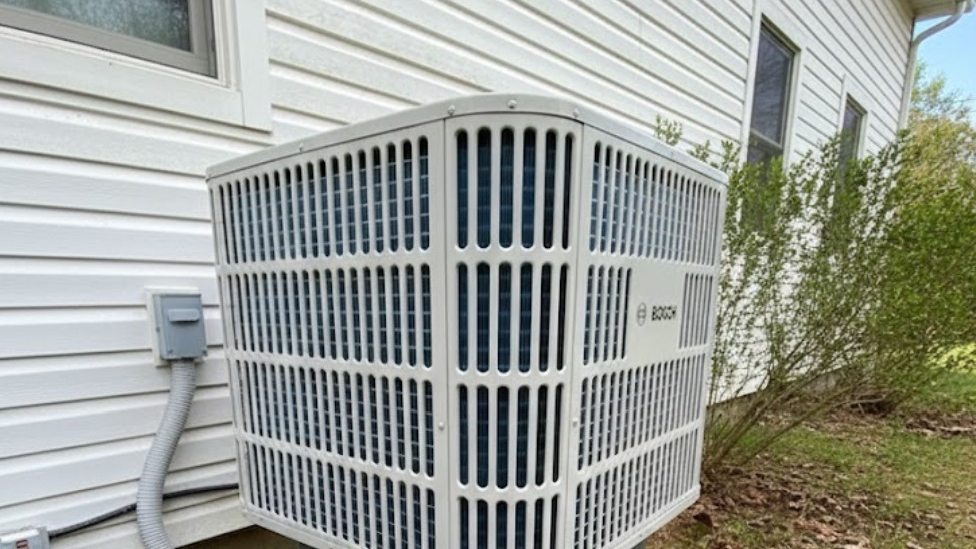
Aux heat, short for auxiliary heat, is a second source of heat that works alongside the heat pump when the heat pump cannot meet the demand on its own. In most all-electric systems it is a bank of electric resistance heat strips inside the indoor air handler, which glow hot like the elements in a toaster. In a dual-fuel system, the auxiliary heat is a gas or propane furnace. The thermostat turns the auxiliary heat on and off automatically, and displays AUX, AUX HEAT or a similar indicator while it is running.
A heat pump heats a home by moving heat from the outdoor air into the house. It does this very efficiently, but as the outdoor temperature falls there is less heat to collect, and the heat pump output drops while the heat loss of the house rises. The temperature at which the two meet is called the balance point. Below the balance point the heat pump cannot keep the house at the set temperature alone, and aux heat makes up the difference. On a standard heat pump the balance point is often somewhere between 25°F and 35°F, while a cold-climate model can carry most of the load well below that.
Aux heat also switches on in two other situations. The first is a large increase in the thermostat setting: raising the temperature by more than two or three degrees at once tells the thermostat the heat pump will be too slow, so it calls for auxiliary heat to close the gap quickly. The second is the defrost cycle, when the heat pump briefly reverses to melt frost from the outdoor coil and the backup heat warms the air so the house does not receive a blast of cool air.
Seeing AUX on the thermostat is therefore normal during a Rochester winter. Short periods on cold mornings, during recovery from a nighttime setback and during defrost are expected. What is not normal is auxiliary heat running for hours at a time when the outdoor temperature is above about 40°F, because at that temperature a healthy heat pump should be able to heat most homes without help.
What Is Emergency Heat, and When Should You Use Emergency Heat?

Emergency heat, shown as EM HEAT or EMERGENCY on many thermostats, is a manual setting. When it is selected, the thermostat shuts down the outdoor heat pump completely and heats the home using only the backup heat source. On an all-electric system that means the electric heat strips carry the whole load, and on a dual-fuel system it means the furnace runs on its own. Emergency heat never switches on by itself; someone has to select it.
The setting exists for the situation its name describes: the outdoor heat pump has failed or must not run. Examples include an outdoor unit that has stopped working, a unit buried under ice after freezing rain, a unit damaged by falling ice or a branch, or a refrigerant fault diagnosed by a technician. Switching to emergency heat in those cases keeps the house warm and protects the heat pump from further damage until it can be repaired.
Emergency heat is not a way to warm the house faster, and it should not be used simply because the weather is very cold. Modern heat pumps, and especially cold-climate models, are designed to keep running in sub-zero temperatures with auxiliary heat assisting as needed. Switching to emergency heat on a cold but otherwise normal day removes the efficient heat pump from the system and runs the most expensive form of heat available on an all-electric system.
When to use emergency heat
- The outdoor unit is not running at all and the house is losing heat
- The outdoor unit is encased in solid ice that does not clear after defrost
- The outdoor unit has been physically damaged or is making grinding or banging noises
- A technician has diagnosed a fault and advised running on backup heat until the repair
- Use emergency heat as a short-term measure and book a service call the same day
Once emergency heat is on, the home stays warm, but running costs rise sharply on an all-electric system. That is why the repair should not wait until the next mild spell. Our team provides 24/7 emergency heating repair in Rochester, and a heat pump running on emergency heat is a call we treat as urgent.
Aux Heat vs Emergency Heat: The Difference and the Running Cost
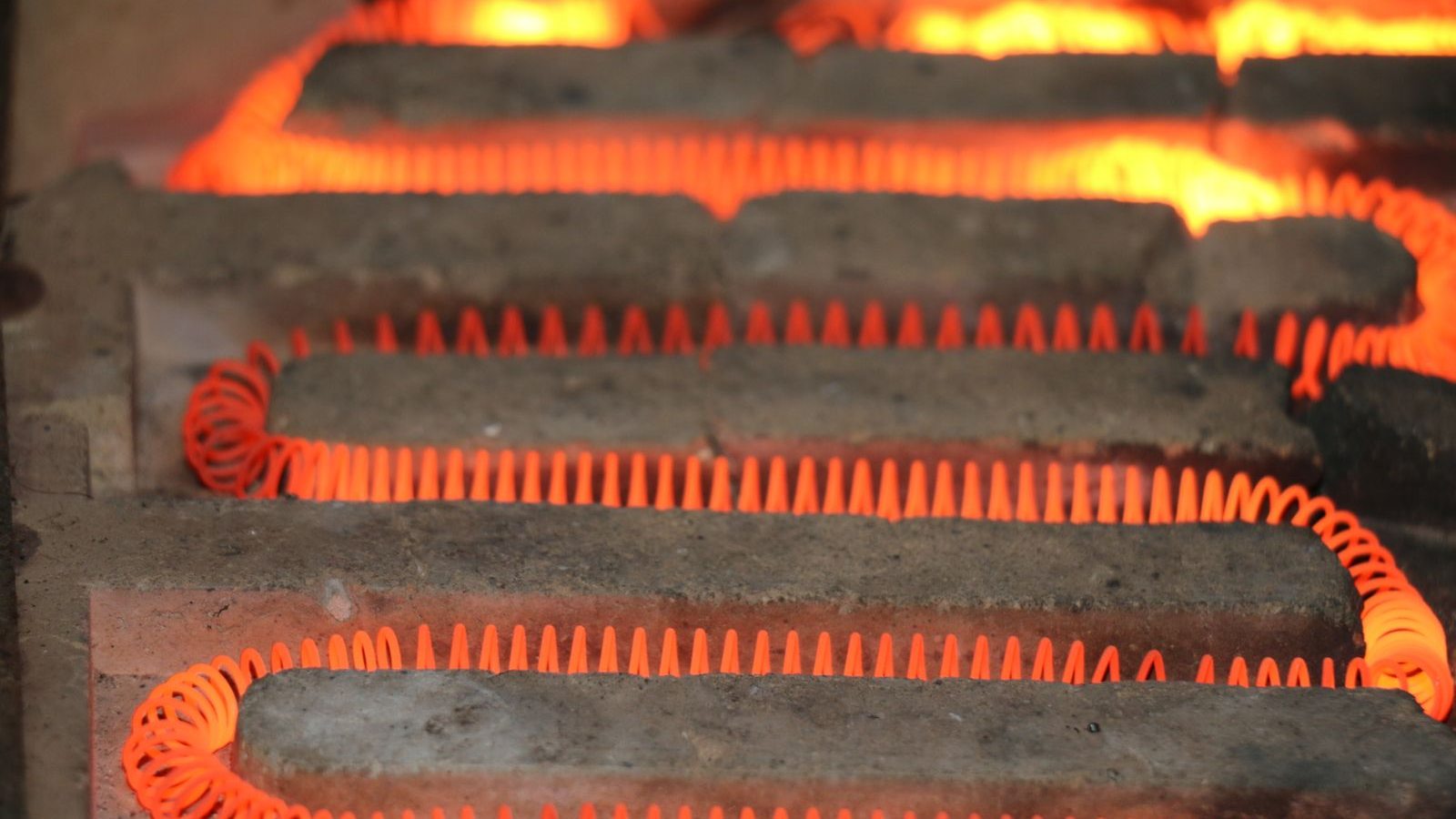
Aux heat and emergency heat usually use the same equipment, the heat strips or the furnace, which is why they are often confused. The difference lies in how they are controlled and whether the heat pump keeps running. Aux heat is automatic and works together with the heat pump, so the efficient heat pump continues to supply as much of the heat as it can. Emergency heat is manual and replaces the heat pump entirely, so all of the heat comes from the backup source.
That difference drives the running cost. According to the U.S. Department of Energy, heat pumps can deliver several times more heat energy than the electrical energy they consume, because they move heat rather than generate it. Electric resistance heat strips convert one unit of electricity into one unit of heat. In practice, a heat pump in mild winter weather typically produces two to three times as much heat per kilowatt-hour as the heat strips, so every hour the strips run alone costs considerably more than an hour of heat pump operation.
| Setting | What runs | How it starts | Relative running cost |
|---|---|---|---|
| Heat (heat pump only) | Outdoor heat pump | Normal heating mode | Lowest |
| Aux heat | Heat pump plus heat strips or furnace | Automatic, as needed | Higher while the backup runs |
| Emergency heat, all-electric | Heat strips only | Manual only | Highest, often two to three times heat pump cost |
| Emergency heat, dual-fuel | Gas or propane furnace only | Manual only | Depends on fuel prices |
On a dual-fuel system the comparison is different, because the backup is a furnace burning natural gas or propane. Whether the furnace or the heat pump is cheaper at a given outdoor temperature depends on the local prices of gas, propane and electricity, and a correctly configured dual-fuel thermostat switches between them at the most economical outdoor temperature. In that setup, emergency heat simply means running the furnace alone.
The practical rule is the same for both systems. Let the thermostat manage auxiliary heat automatically, avoid large temperature changes that trigger it unnecessarily and keep emergency heat for genuine failures. A household that leaves emergency heat on by mistake for a week in January will usually see it on the next electric bill.
Heat Pump Defrost Mode: Why the Outdoor Unit Steams in Winter
In winter the outdoor coil of a heat pump runs colder than the air around it, so moisture in the air freezes onto the coil as frost. Frost blocks airflow through the coil and reduces the heat the unit can collect. To clear it, the heat pump runs a defrost cycle: it briefly reverses into cooling mode so hot refrigerant flows through the outdoor coil and melts the frost. During defrost the outdoor fan usually stops, and the meltwater and warm coil produce a cloud of vapor that many homeowners mistake for smoke.
A normal defrost cycle lasts about five to ten minutes. In damp weather near or below freezing, which is common in Rochester from December through February, defrost can occur every 30 to 90 minutes. While it runs, the indoor air may feel cooler for a few minutes and the thermostat may show AUX as the backup heat tempers the airflow. The outdoor unit may also make a whooshing sound as the refrigerant reverses direction at the start and end of the cycle.
A thin, even layer of frost on the coil between defrost cycles is normal. Problems are indicated by ice that is thick, clear and solid, ice that covers the top of the unit or the fan, or ice that remains after a defrost cycle has finished. Those conditions point to a failed defrost control, a faulty sensor, low refrigerant, a fan that is not running or water dripping onto the unit from a roof edge or gutter above.
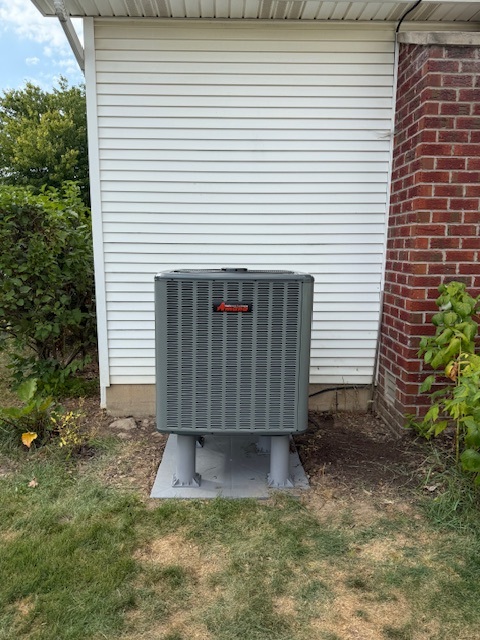
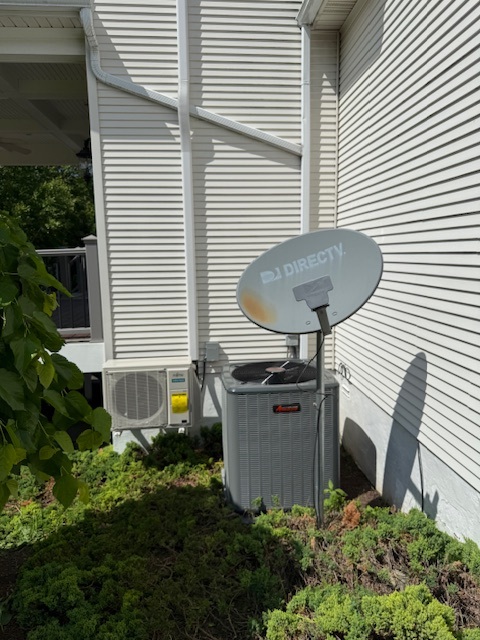
Location plays a part as well. An outdoor unit should sit on a raised stand or pad so it stays above drifting snow and meltwater can drain away from the base. Units placed under a roof edge without a gutter collect dripping water that refreezes into solid ice. Where we find these conditions during a seasonal heating maintenance visit, we recommend a stand, a small roof or a gutter extension so the problem does not return every thaw.
Heat Pump Not Heating? Common Causes in a Rochester Winter
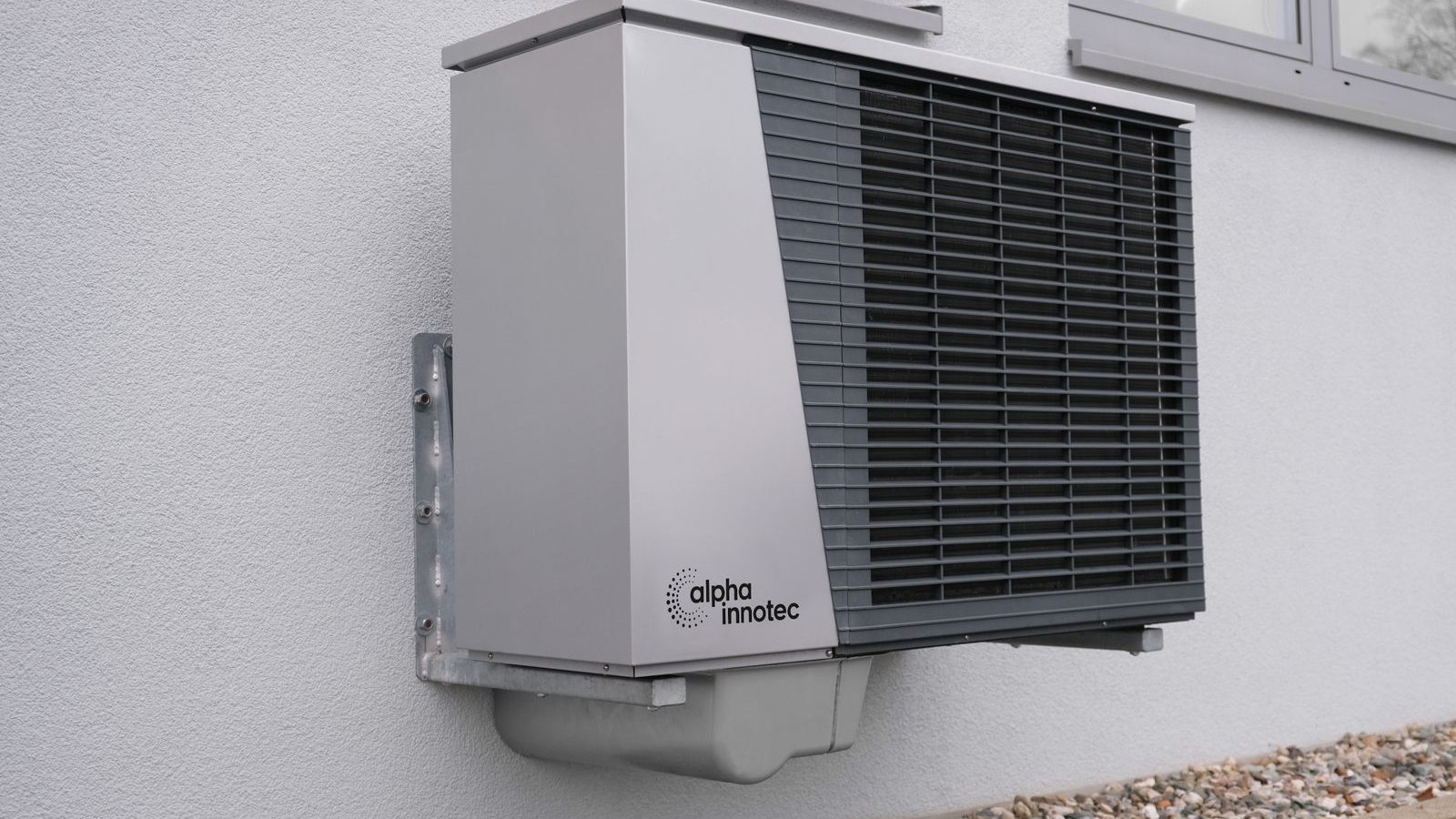
A heat pump not heating is not always a heat pump that has failed. Supply air from a heat pump is warm rather than hot, typically around 85°F to 100°F at the registers, compared with 120°F or more from a gas furnace. Air at that temperature can feel cool on the hand even when the system is heating normally. The real test is whether the house reaches and holds the temperature set on the thermostat over a period of an hour or two.
When the house genuinely is not warming, the cause usually falls into one of a small number of categories. Some are simple and can be checked by the homeowner, such as thermostat settings, a dirty filter or snow around the outdoor unit. Others, such as low refrigerant, a stuck reversing valve or a failed defrost board, require a technician with gauges and electrical test equipment. The most common causes we find on Rochester service calls are summarized in the table.
| Cause | What you notice | Who fixes it |
|---|---|---|
| Thermostat set to cool, off or fan only | No heat, outdoor unit running or idle | Homeowner |
| Dirty air filter | Weak airflow, frequent aux heat | Homeowner |
| Snow or ice blocking the outdoor unit | Reduced heat, unit buried or iced | Homeowner for snow, technician for solid ice |
| Tripped breaker for outdoor unit or heat strips | Outdoor unit silent or no backup heat | Homeowner resets once, technician if it trips again |
| Low refrigerant from a leak | Long run times, aux heat on mild days, ice buildup | Technician |
| Stuck reversing valve | Cool air in heat mode, cooling works in summer | Technician |
| Failed defrost board or sensor | Coil ices over and does not clear | Technician |
Older heat pumps add another factor. Many units installed more than ten to fifteen years ago were not designed for sustained single-digit temperatures, and they rely heavily on auxiliary heat during a Rochester cold snap. In those homes, high electric bills in January are often a sign of the heat pump reaching the limit of its design rather than a fault, and the right answer may be a cold-climate replacement or a dual-fuel setup rather than a repair.
Heat Pump Troubleshooting Steps Before You Call for Service
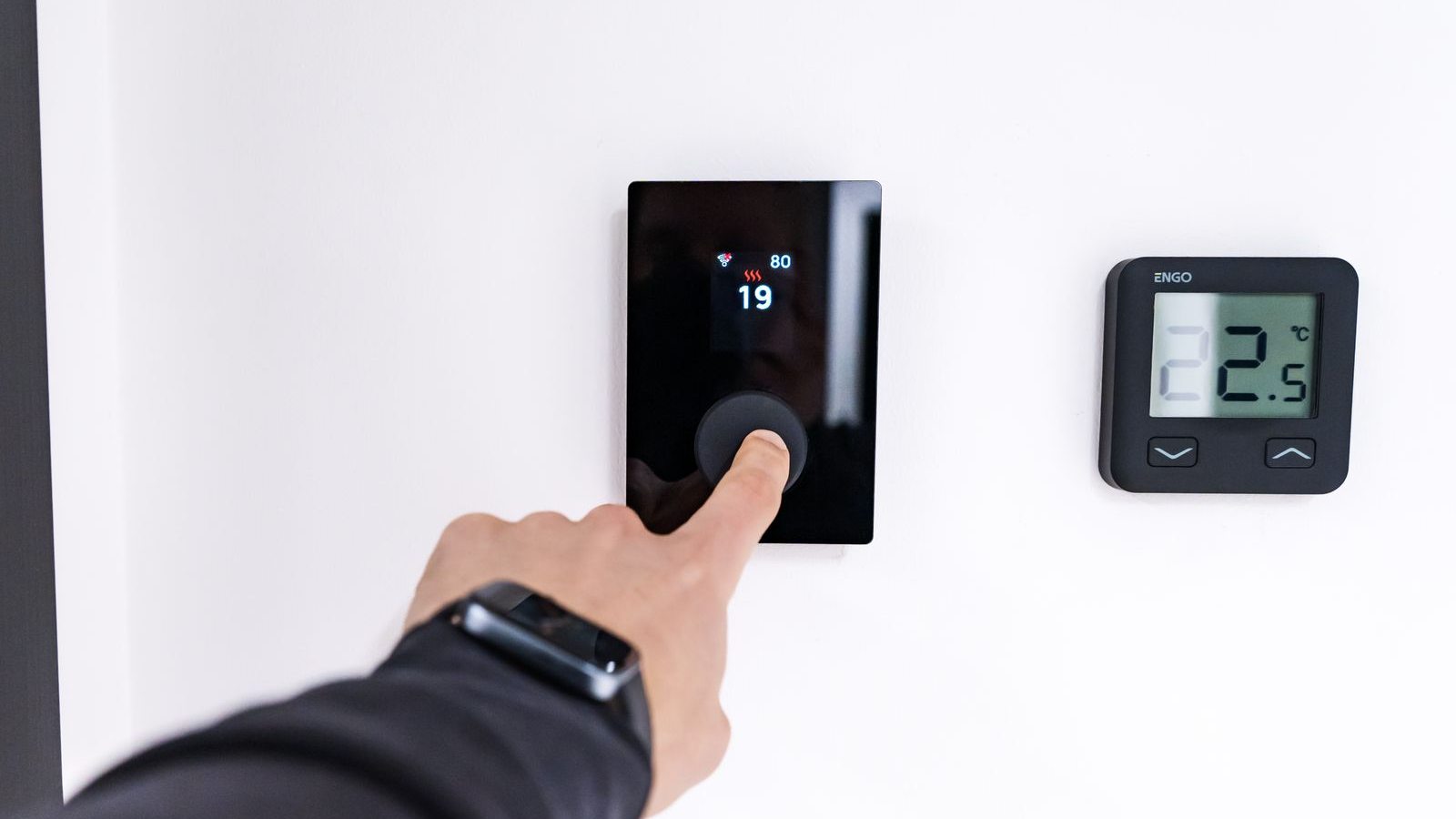
Several of the most common heat pump problems can be ruled out in a few minutes without tools. These checks are safe for any homeowner and often restore heat or at least narrow down the cause before a technician arrives. They should never involve opening electrical panels on the heat pump or air handler, chipping at ice on the coil or adjusting refrigerant connections, all of which can cause injury or expensive damage.
Safe heat pump checks for homeowners
- Step 1, thermostat: confirm it is set to Heat, not Cool, Off or Emergency, and that the set temperature is above the room temperature.
- Step 2, air filter: check the filter at the air handler and replace it if it is gray or clogged.
- Step 3, breakers: check the breakers for the outdoor unit and the air handler heat strips, and reset a tripped breaker once only.
- Step 4, outdoor unit: clear snow from around and on top of the unit with a soft broom, keeping about two feet of clear space.
- Step 5, registers: make sure supply registers and return grilles are open and not blocked by furniture or rugs.
- Step 6, wait and watch: give the system an hour to recover and note whether AUX stays on and whether ice clears after a defrost.
A breaker that trips again after one reset should be left off and reported, because repeated tripping points to an electrical fault in the compressor, the fan motor or the heat strips. Ice on the outdoor coil should be left to the defrost cycle or a technician. Chipping or pouring hot water on the coil can bend the fins or crack refrigerant tubing, which turns a defrost repair into a far more expensive one.
When calling for service, it helps to note what the thermostat is showing, whether the outdoor unit and its fan are running, whether ice is present and what the outdoor temperature was when the problem started. That information lets our technician arrive with the right parts and shortens the visit. If the house is losing heat quickly, switching to emergency heat while waiting for the technician keeps it warm and protects pipes.
“Darren is the very best. Absolutely relentless in attacking an issue we were having with our heat pump. Great man. Thank you.”
Derrick Spatorico ★★★★★
Google review, heat pump troubleshooting · See more on Google
Aux Heat Running Too Often: Signs Your Heat Pump Needs Repair
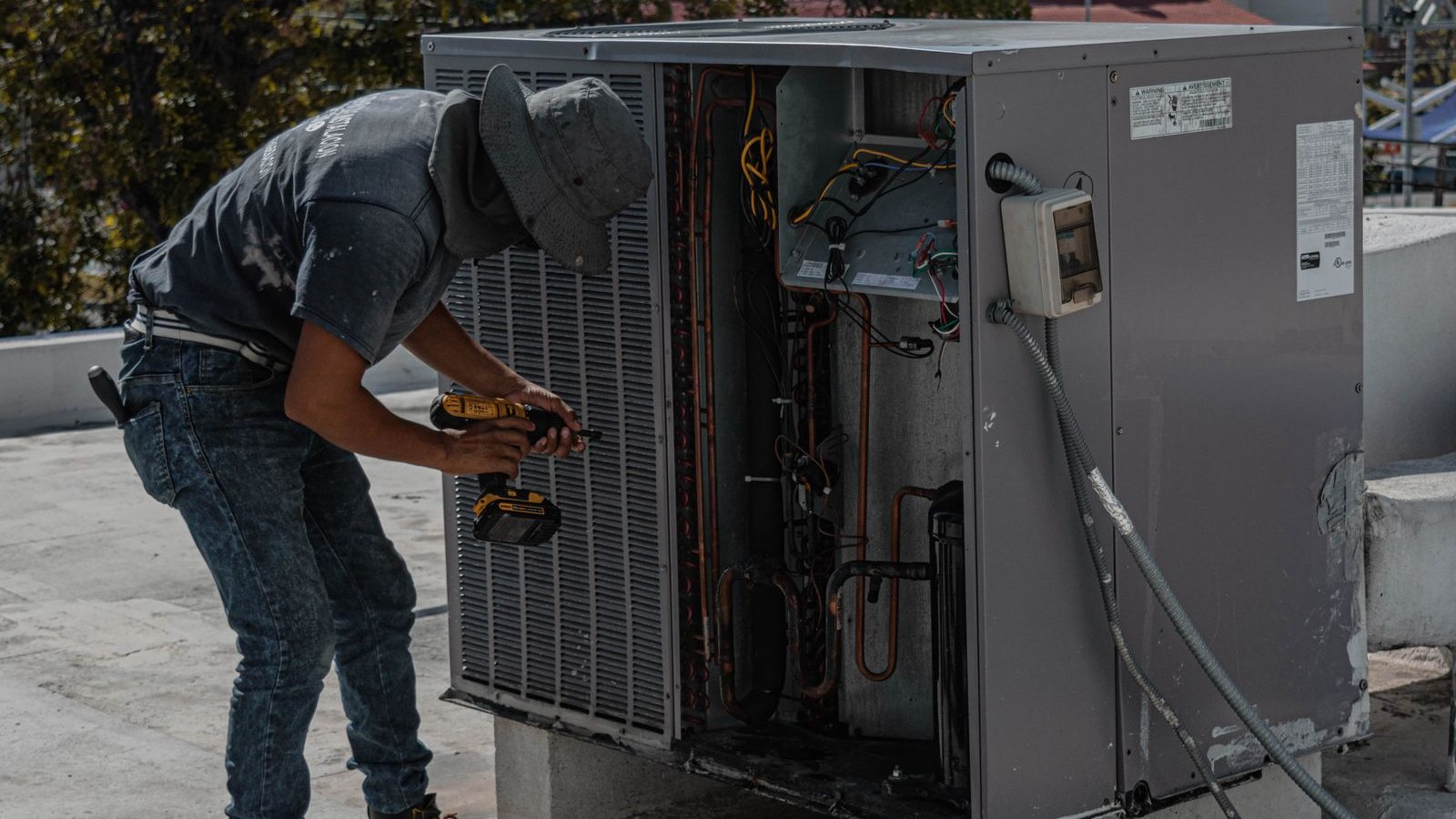
Auxiliary heat that runs more than the weather justifies is one of the clearest early signs of a heat pump problem, and one of the most expensive to ignore. If AUX appears for hours at a time when it is 40°F or warmer outside, the heat pump is not delivering the heat it should. The most common reasons are a refrigerant leak, a failing compressor or outdoor fan motor, a defrost control that is stuck in defrost, an outdoor temperature sensor reading incorrectly or thermostat wiring and settings that call for backup heat too early.
The thermostat itself is a frequent cause on newer installations. Many smart and programmable thermostats include settings for the auxiliary heat lockout temperature, the compressor lockout temperature and the degrees of difference allowed before auxiliary heat is called. If those are left at factory defaults, or if a thermostat replaced by the homeowner was configured for a furnace rather than a heat pump, the backup heat may run far more than necessary. Correcting the configuration often costs nothing in parts.
Other signs that call for a service visit include a heat pump that runs continuously without the house reaching the set temperature, an outdoor unit that cycles on and off every few minutes, unusual noises such as grinding, rattling or loud buzzing, a burning smell from the air handler when the heat strips first come on after the summer, and electric bills that rise sharply compared with the same month the previous year. Each of these points to a specific component that can be tested and repaired.
Regular maintenance prevents many of these problems. An annual heat pump service checks refrigerant pressures, cleans the outdoor and indoor coils, tests the defrost control and sensors, measures the current drawn by the heat strips and confirms the thermostat settings. Booking it in the fall, along with a heating maintenance visit for any furnace in a dual-fuel system, means faults are found before the first cold snap rather than during it.
Cold-Climate Heat Pumps, Dual-Fuel Systems and Thermostat Settings for Rochester Winters
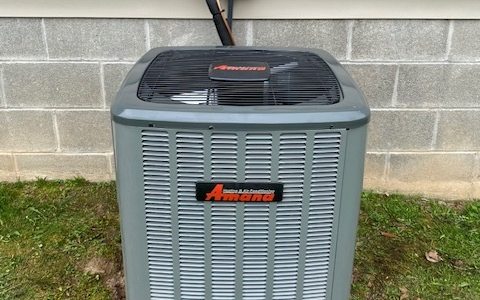
Heat pump technology has changed considerably in the last decade. Cold-climate heat pumps use variable-speed inverter compressors and refrigerant circuits designed to keep producing useful heat at outdoor temperatures well below zero, and several models are rated to operate down to -13°F or lower. In a Rochester home with a cold-climate heat pump, auxiliary heat may only be needed on the coldest nights of the year, which keeps electric bills predictable through January and February.
A dual-fuel system pairs a heat pump with a gas or propane furnace. The heat pump handles the heating for most of the season, and the thermostat switches to the furnace when the outdoor temperature falls below a set changeover point. Dual-fuel is a common choice for Greater Rochester homes that already have a working furnace, because it adds efficient heating and central air conditioning while keeping the strong, steady heat of a gas furnace for the deepest cold of January and February.
Thermostat habits make a measurable difference with any heat pump. Large nighttime setbacks save less with a heat pump than with a furnace, because recovering eight degrees in the morning usually brings on auxiliary heat. A setback of two to four degrees, or none at all on the coldest nights, is often more economical. When raising the temperature, increase it by one or two degrees at a time, and use a thermostat designed for heat pumps that supports adaptive recovery, so the system starts warming the house earlier using the heat pump rather than the backup heat.
Heat pump thermostat settings that reduce aux heat
- Keep nighttime setbacks to two to four degrees during cold weather
- Raise the temperature one or two degrees at a time rather than all at once
- Use a heat pump thermostat with adaptive or smart recovery
- Have the auxiliary heat lockout and dual-fuel changeover temperatures set for your system
- Leave emergency heat off unless the outdoor unit has failed
Homeowners replacing an older heat pump or adding one to a furnace may qualify for incentives through the NYS Clean Heat program, which supports qualifying cold-climate heat pump installations through the utilities. We help with equipment selection, sizing and the rebate paperwork, and we give a written proposal that compares the heat pump, dual-fuel and furnace options for the home.


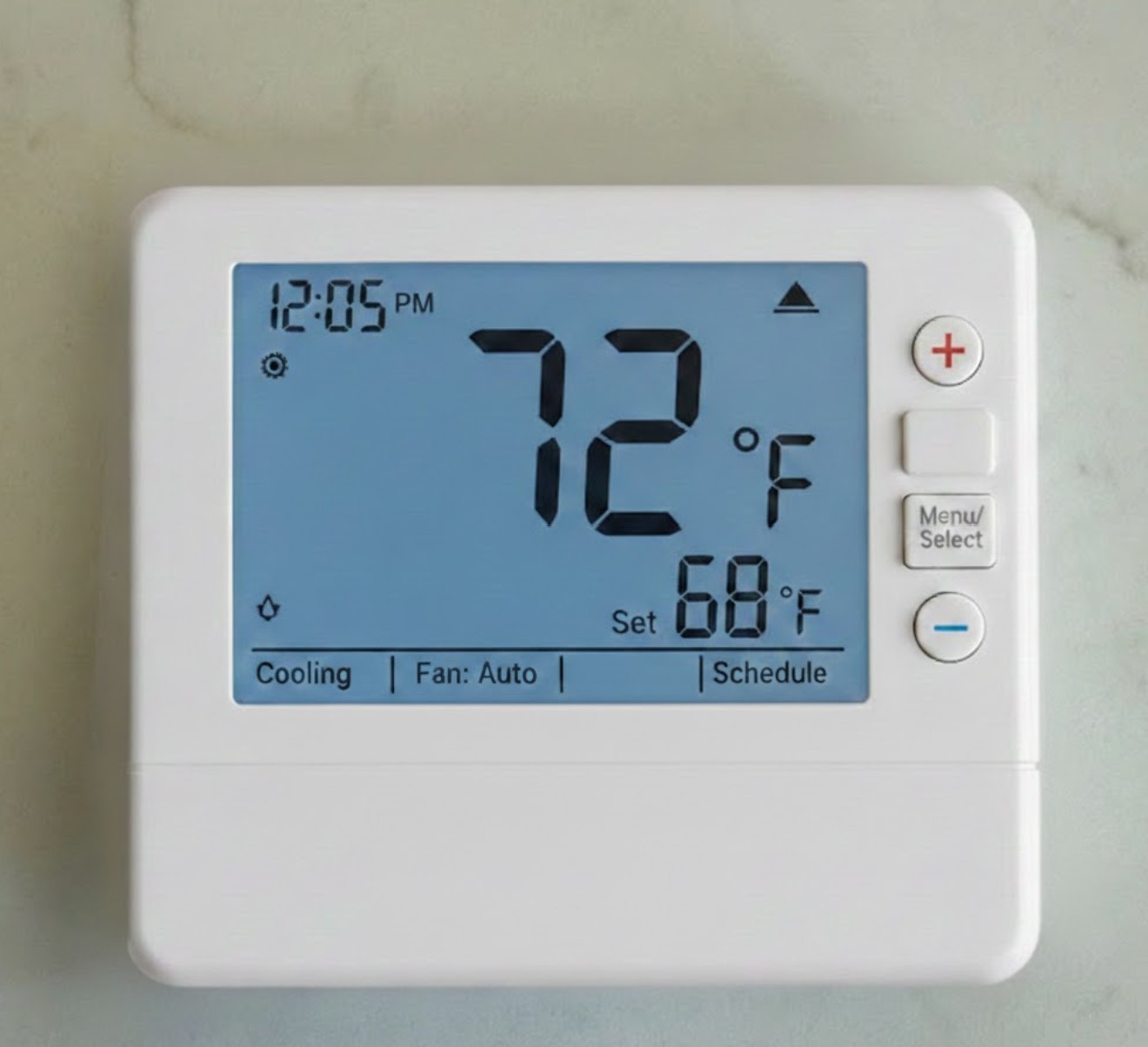

Dalton has installed and serviced heat pumps, ductless systems and dual-fuel setups across Greater Rochester since 1989. Owner Darren Dalton still takes part in diagnosing difficult heat pump problems, and every repair or replacement recommendation is explained in writing before any work begins.
Book Heat Pump Repair or a Winter Service Visit
Aux heat running all day, emergency heat switched on or ice that will not clear? Our technicians test the heat pump, defrost controls, heat strips and thermostat settings, with 24/7 service for homes losing heat.
Family-owned Rochester HVAC since 1989, free advice over the phone, help with NYS Clean Heat rebates.
Aux Heat and Emergency Heat Questions From Rochester Homeowners
What Is Emergency Heat On A Thermostat?
Emergency heat is a manual thermostat setting that turns off the outdoor heat pump and heats the home using only the backup heat, usually electric heat strips or a furnace. It is intended for times when the heat pump has failed or cannot run, not for ordinary cold weather.
When Should You Use Emergency Heat On A Heat Pump?
Use emergency heat only when the outdoor unit has stopped working, is damaged or is encased in ice that does not clear, or when a technician advises it. Switch it on to keep the house warm, then book a repair the same day, because running on backup heat alone costs more.
Is Aux Heat The Same As Emergency Heat?
No. Both usually use the same backup heat source, but aux heat switches on automatically and works together with the heat pump, while emergency heat is selected manually and shuts the heat pump off so the backup heat runs alone.
Why Does My Aux Heat Keep Coming On?
Aux heat comes on in very cold weather, during defrost cycles and when the thermostat is raised by more than two or three degrees at once. If it runs for long periods when it is above about 40 degrees outside, the cause is often low refrigerant, a defrost or sensor fault or thermostat settings, and the system should be checked.
Does Emergency Heat Cost More To Run?
On an all-electric system, yes. Electric heat strips produce one unit of heat per unit of electricity, while a heat pump in mild winter weather typically produces two to three units, so emergency heat often costs two to three times as much to run. On a dual-fuel system the cost depends on gas or propane prices.
How Long Should A Heat Pump Defrost Cycle Last?
A normal defrost cycle lasts about five to ten minutes and may repeat every 30 to 90 minutes in damp weather near or below freezing. Vapor from the outdoor unit and a short period of cooler air indoors are normal. Ice that remains after the cycle ends is not.
At What Temperature Does Aux Heat Come On?
There is no single temperature. Aux heat comes on when the heat pump can no longer meet the heat loss of the home, often between 25 and 35 degrees for a standard heat pump and much lower for a cold-climate model. Many thermostats also allow a lockout temperature to be set during installation.