
From Darren, the owner
Set the humidifier by the weather outside, not only by how the house feels. When the forecast drops into single digits, turn the humidistat down a step. If you see water running down the inside of the windows in the morning, the house is holding more moisture than the cold glass can handle, and the setting is too high for that day.
A whole-house humidifier adds moisture to the air your furnace already moves through the ductwork, so every room stays at a comfortable humidity level through the heating season. In Rochester, NY, where a forced-air furnace can run from October to April and outdoor air in January holds very little moisture, indoor humidity routinely falls into the teens and low twenties. The result is the dry skin, static shocks, cracked woodwork and scratchy throats that many homeowners accept as part of a Western New York winter. Dalton Heating & Cooling has installed and serviced furnace humidifiers across Greater Rochester since 1989.
Choosing the right furnace humidifier depends on the furnace, the size and age of the home and how much maintenance the owner wants to take on. Bypass, fan-powered and steam humidifiers each work differently, cost different amounts to install and run, and suit different houses. In a cold climate the safe indoor humidity level also changes with the weather outside, so the control fitted with the humidifier matters as much as the unit itself, and it is one of the first things we plan for on every whole-house humidifier installation.
Free Whole-House Humidifier Quote in Greater Rochester
We check your furnace, ductwork and water supply, recommend the right humidifier type and size for the home, and give you a written price before any work is booked.
What Is a Whole-House Humidifier, and How Does a Furnace Humidifier Work?
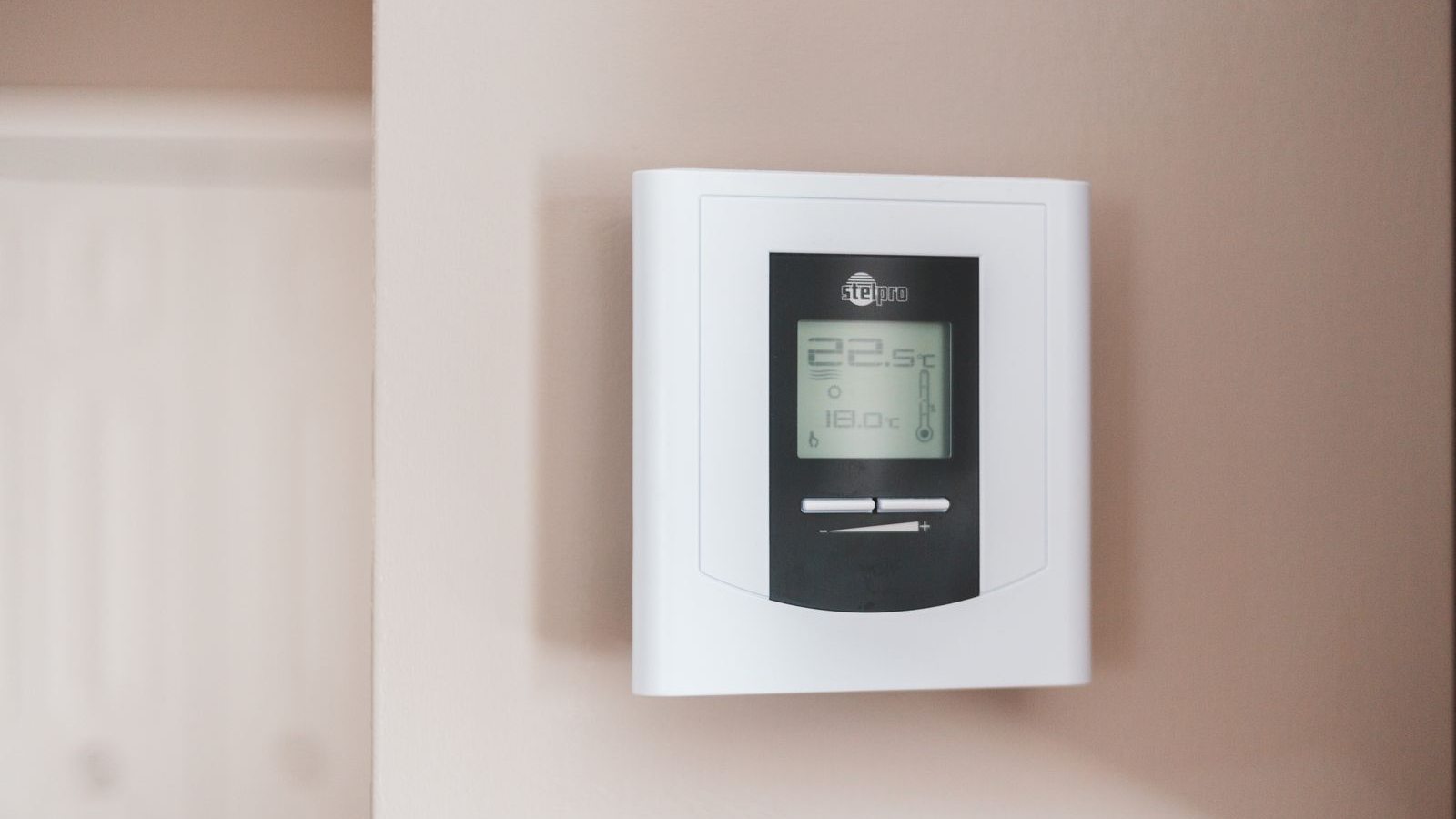
A whole-house humidifier is a unit mounted on the furnace ductwork, usually on the supply plenum or the return duct, that adds water vapor to the heated air before it is distributed through the home. It is connected to a cold water line, a drain or condensate line on most models, the furnace control board and a humidistat or humidity control. Because the moisture travels through the same ducts as the heat, every room served by the furnace receives it, which is the main difference from a portable humidifier that only treats one room and needs filling by hand.
Most furnace humidifiers work by evaporation. Water runs over a water panel, sometimes called an evaporator pad, and warm air from the furnace passes through the wet panel and picks up moisture. Any water that does not evaporate drains away, so the panel stays fresh rather than sitting in a reservoir. Steam humidifiers work differently: they boil water in a canister using electric elements and inject the steam directly into the ductwork, which allows them to add moisture whether or not the furnace burner is firing.
The humidistat controls the system. When indoor humidity falls below the set level and the furnace blower is running, the humidistat opens a water valve, and on fan-powered models it also starts the built-in fan. Modern automatic controls use an outdoor temperature sensor to lower the target humidity as the weather gets colder, which protects windows and exterior walls from condensation without the homeowner having to change the setting every few days during a Rochester cold snap.
A furnace humidifier only works in homes heated by forced air, because it depends on ductwork to carry the moisture. In most Greater Rochester houses built after the 1950s that is not a limitation, but many older homes in the city and in village centers are heated by hot-water or steam boilers. Those homes need a different approach, such as a steam humidifier on a ducted air conditioning system or high-capacity console humidifiers in the main rooms.
Why Rochester Homes Need a Whole-House Humidifier in Winter
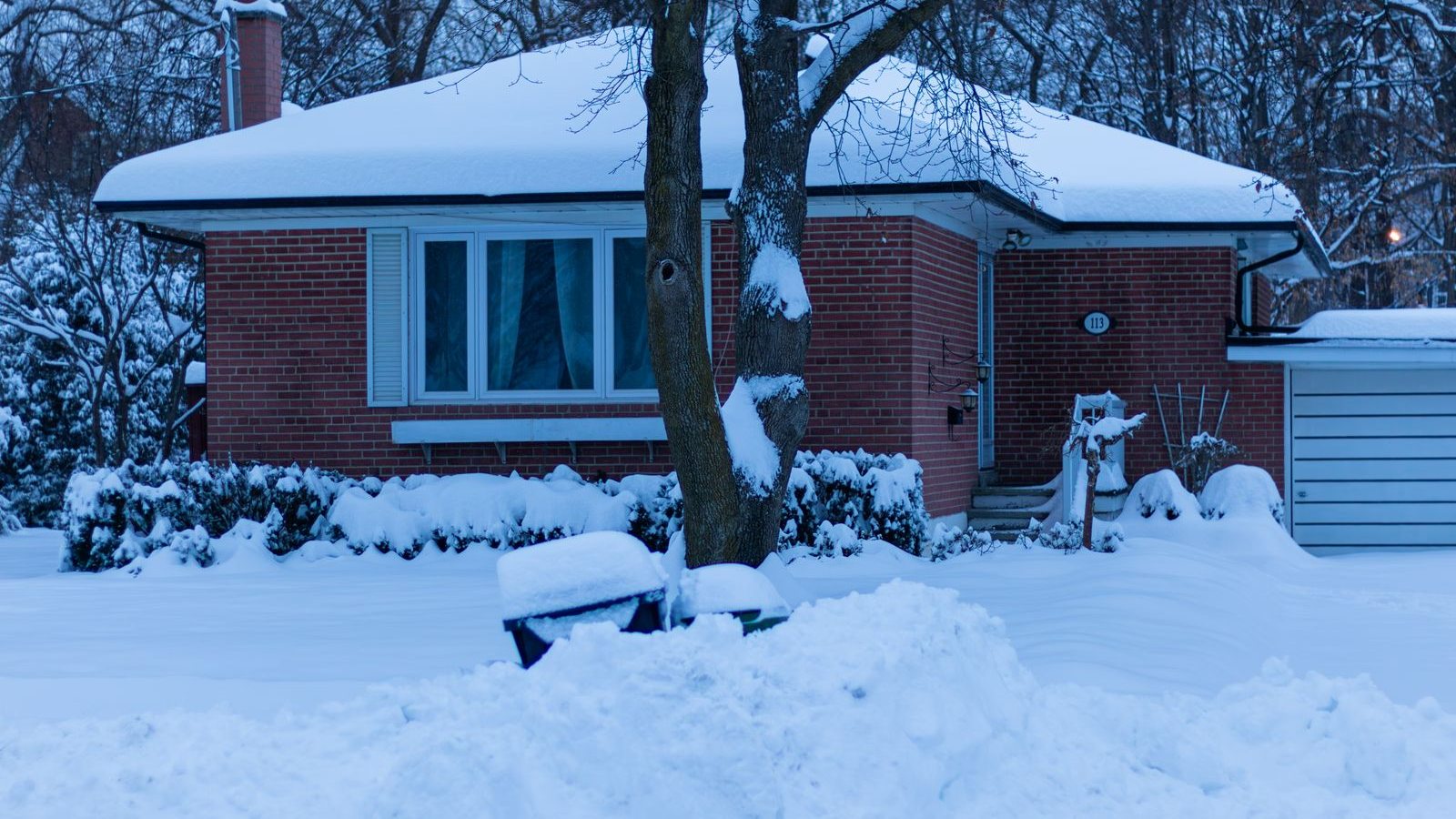
Cold air holds very little moisture. When January air at 15°F leaks into a house and is warmed to 70°F by the furnace, its relative humidity falls sharply, often to between 10 and 20 percent unless moisture is added. Rochester winters combine long stretches below freezing with lake-effect wind that pushes outdoor air into older homes through gaps around windows, doors and sill plates. The longer the furnace runs, the more dry outdoor air is drawn in and heated, so indoor humidity tends to be lowest exactly when the weather is coldest.
Low humidity is felt before it is measured. Homeowners notice static shocks from door handles and carpets, dry or itchy skin, cracked lips, nosebleeds and irritated sinuses, particularly in bedrooms overnight. Dry air also feels cooler than humid air at the same temperature, because moisture evaporates more quickly from the skin. Many households respond by turning the thermostat up two or three degrees, which increases fuel use without addressing the cause of the discomfort.
The house itself is affected as well. Hardwood floors shrink and open gaps between boards, interior doors and trim crack at the joints, and wooden furniture, cabinets and musical instruments can split or loosen. Piano tuners and flooring installers across Monroe County see the same pattern every winter. Bringing indoor humidity back into a healthy range slows that seasonal movement and reduces repair work in the spring.
Common signs a Rochester home needs a whole-house humidifier
- Frequent static shocks from carpets, door handles and light switches
- Dry skin, cracked lips, sore throats or nosebleeds through the heating season
- Gaps opening between hardwood floorboards and cracks in trim or door frames
- Portable humidifiers that need refilling every day and only help one room
- A thermostat set higher than usual because the house feels cool at 68°F to 70°F
- A hygrometer reading below 25 percent indoor humidity on cold days
A whole-house humidifier addresses all of these at once because it treats the air supplied to every room. For households already managing several portable units, it also removes the daily refilling and the cleaning that tabletop humidifiers need to prevent mineral dust and bacterial growth in their tanks.
Bypass, Fan-Powered and Steam Furnace Humidifiers Compared
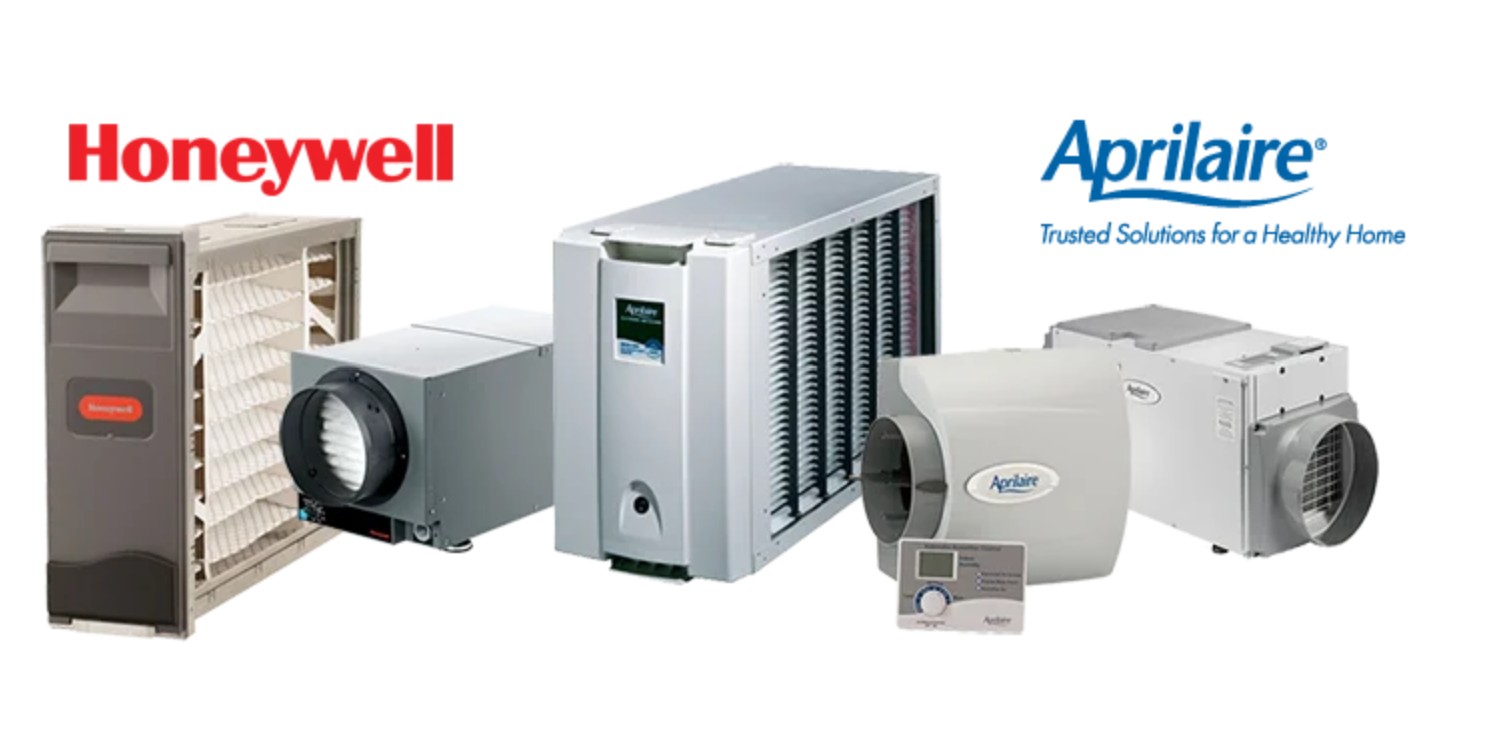
There are three types of whole-house humidifier, and the right choice depends on the size of the home, how dry it gets and the space available around the furnace. A bypass humidifier is the simplest. It mounts on the supply or return duct and uses a short round duct to route some of the furnace air through the water panel. It has no motor of its own, uses almost no electricity and is the least expensive to install, but it only adds moisture when the furnace blower is running, and the bypass duct takes up space beside the furnace.
A fan-powered humidifier uses the same evaporative water panel but has its own small fan to push air through it, so it does not need a bypass duct. It delivers more moisture than a bypass unit of similar size and suits larger homes or houses where the bypass connection is awkward. A steam humidifier boils water electrically and injects steam into the duct, which gives the highest output and the most precise control. Steam units suit large or very leaky homes and homes with high-efficiency furnaces, whose cooler supply air evaporates less water than an older furnace does.
Running costs differ as well. Bypass and fan-powered humidifiers send some water to the drain as they work, but use little or no extra electricity. Steam humidifiers use far less water but draw significant electrical power while they are generating steam, and they need a dedicated circuit. For most Rochester homes between 1,500 and 3,000 square feet with a standard gas furnace, a correctly sized bypass or fan-powered unit provides enough moisture.
| Humidifier type | How it adds moisture | Best suited to | Running cost |
|---|---|---|---|
| Bypass | Furnace air diverted through a wet water panel | Small to mid-size homes with space beside the furnace | Very low electricity, some water to drain |
| Fan-powered | Built-in fan pushes air through a wet water panel | Mid-size to larger homes, tight furnace rooms | Low electricity, some water to drain |
| Steam | Electrically boiled water injected as steam | Large or leaky homes, high-efficiency furnaces, precise control | Higher electricity, very little water waste |
Sizing matters as much as type. An undersized humidifier runs constantly and still leaves the house dry on the coldest days, while an oversized unit can push humidity high enough to cause condensation. We size each humidifier from the square footage of the home, its age and how tightly it is built, rather than from the floor area alone.
Aprilaire and Honeywell Whole-House Humidifiers We Install
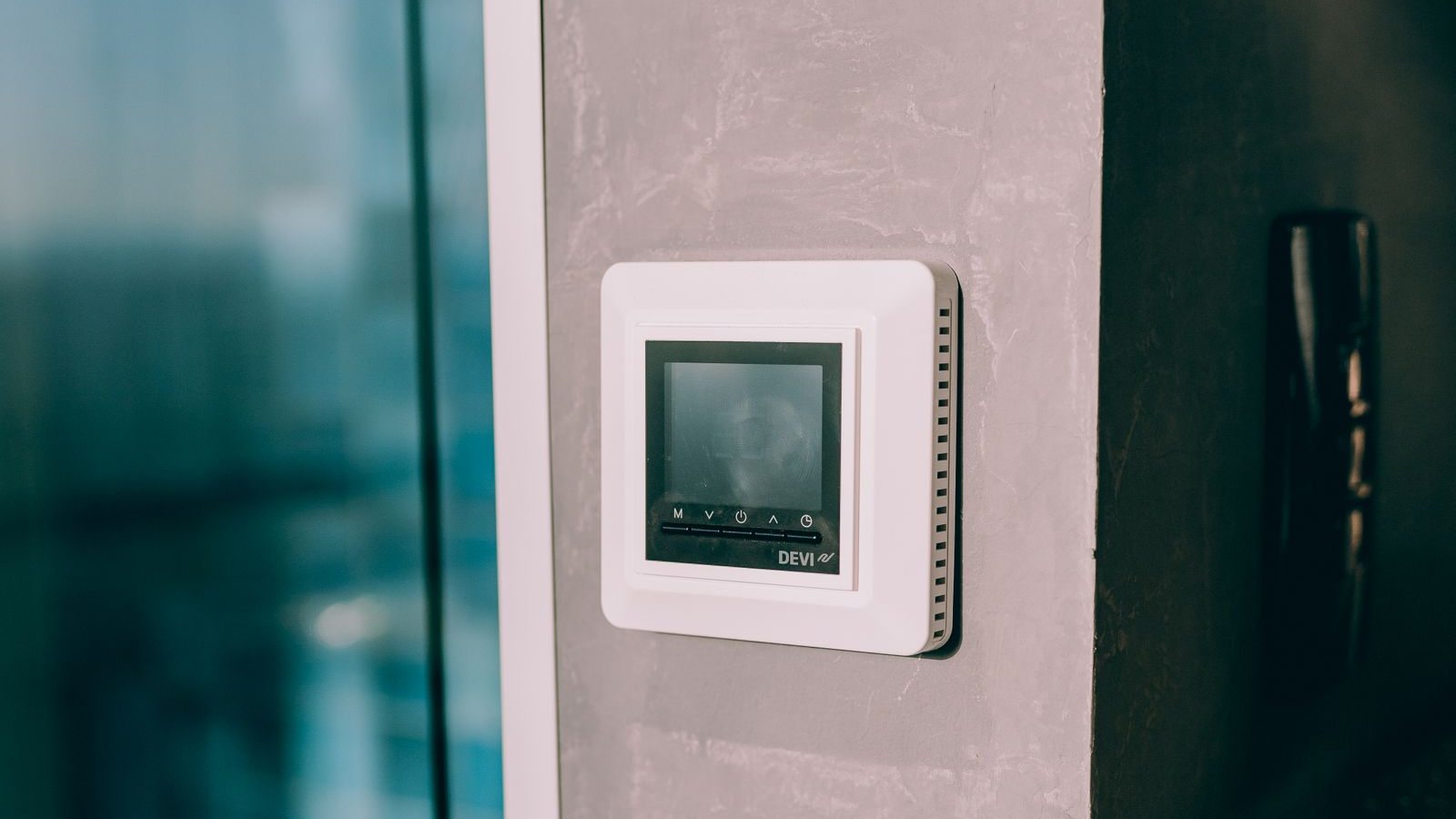
Dalton installs Aprilaire and Honeywell whole-house humidifiers. Both manufacturers produce bypass, fan-powered and steam models, replacement water panels are easy to source in the Rochester area, and both offer automatic humidity controls with outdoor temperature sensing. Aprilaire humidifiers are among the most widely installed furnace humidifiers in the country, which is one reason homeowners searching for an Aprilaire humidifier often already have one on an older furnace that needs servicing or replacement.
Aprilaire identifies its models by number. The compact bypass models suit smaller homes and tight furnace rooms, the larger bypass model is the most common choice for typical Rochester houses, the fan-powered model covers larger homes without a bypass duct, and the steam model serves large or particularly dry homes. Honeywell offers a similar range, including bypass and fan-powered evaporative humidifiers and the TrueSTEAM steam humidifier, which is often chosen for homes with high-efficiency furnaces.
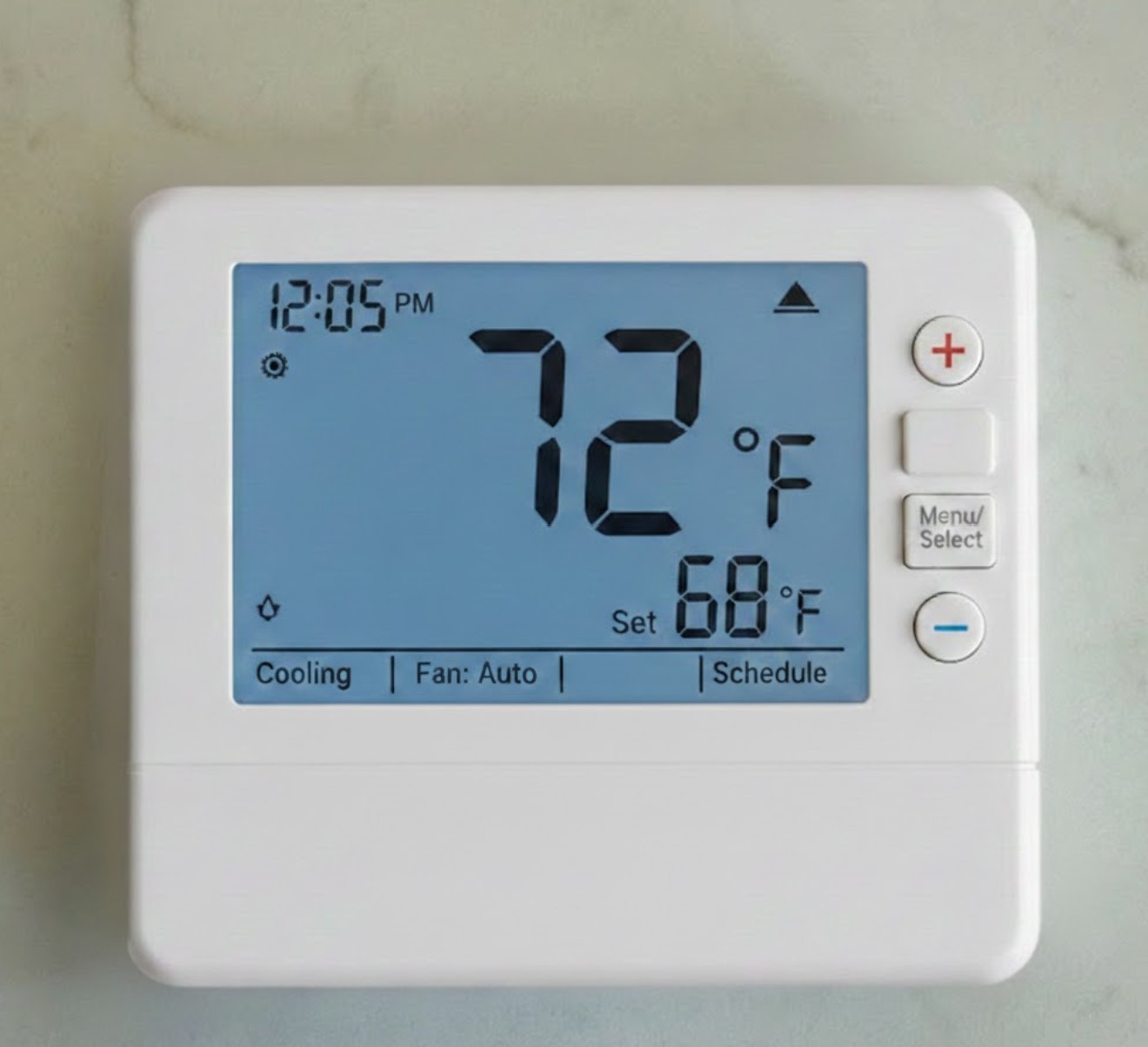
The humidifier is only as good as its control. We fit automatic digital humidistats where possible, because they adjust the target humidity to the outdoor temperature and prevent the window condensation that a manual dial set in November can cause in January. On homes with a smart thermostat, some models connect to the thermostat so humidity can be monitored and adjusted from the same screen.
When an existing humidifier stops working, the cause is often simple: a scaled water panel, a blocked solenoid valve, a failed humidistat or a closed saddle valve on the water line. We service existing Aprilaire and Honeywell units as part of a furnace tune-up and heating maintenance visit, and we recommend replacement only when parts are no longer available or the unit is badly corroded or undersized for the home.
Whole-House Humidifier Cost in Rochester, NY

The installed cost of a whole-house humidifier in the Rochester area depends on the type, the size of the unit and how much work is needed to connect water, drain and power. A bypass humidifier is the least expensive option, a fan-powered unit costs more because of the built-in motor, and a steam humidifier costs the most because of the equipment and the dedicated electrical circuit it needs. Typical installed ranges for Greater Rochester homes are shown in the table, including the humidifier, a digital humidistat, the water and drain connections and labor.
| Installation | Typical installed cost | What affects the price |
|---|---|---|
| Bypass humidifier | $500 to $900 | Unit size, bypass duct routing, distance to water and drain |
| Fan-powered humidifier | $700 to $1,200 | Unit size, wiring to the furnace, drain location |
| Steam humidifier | $1,200 to $2,500 | Steam capacity, new electrical circuit, water quality |
| Replacement water panel and service | $75 to $150 | Panel model, cleaning of the cabinet and valve check |
Installing a humidifier at the same time as a new furnace usually costs less than adding one later, because the ductwork and wiring are already open and the visit is shared. Homeowners planning a new furnace installation can ask for the humidifier to be quoted with the furnace so both are sized together. The type of furnace also matters: a high-efficiency furnace delivers cooler supply air, so a fan-powered or steam humidifier often outperforms a bypass unit on those systems.
Ongoing costs are modest. Evaporative humidifiers need one replacement water panel a year, and twice in homes with hard water. Steam humidifiers need the canister cleaned or replaced, depending on the model and water quality. The electricity used by bypass and fan-powered units is small, while a steam humidifier adds a noticeable but predictable amount to the electric bill during the coldest months.
There is also a return on the investment that is easy to overlook. Air at a healthy humidity feels warmer, so many households find they can keep the thermostat one or two degrees lower and stay comfortable, which reduces gas use over a long Rochester heating season. Every quote we provide is written and itemized, with the humidifier model, the control and the connections listed separately.
“I have used Dalton Heating & Cooling for years now, and am so thankful and appreciative for their top notch service. They have cleaned and worked on my furnace at different times to keep it up and running. Their staff have been honest, fair, professional and super nice.”
Linda Green ★★★★★
Google review, furnace service · See more on Google
Ideal Indoor Humidity in Winter for Rochester Homes
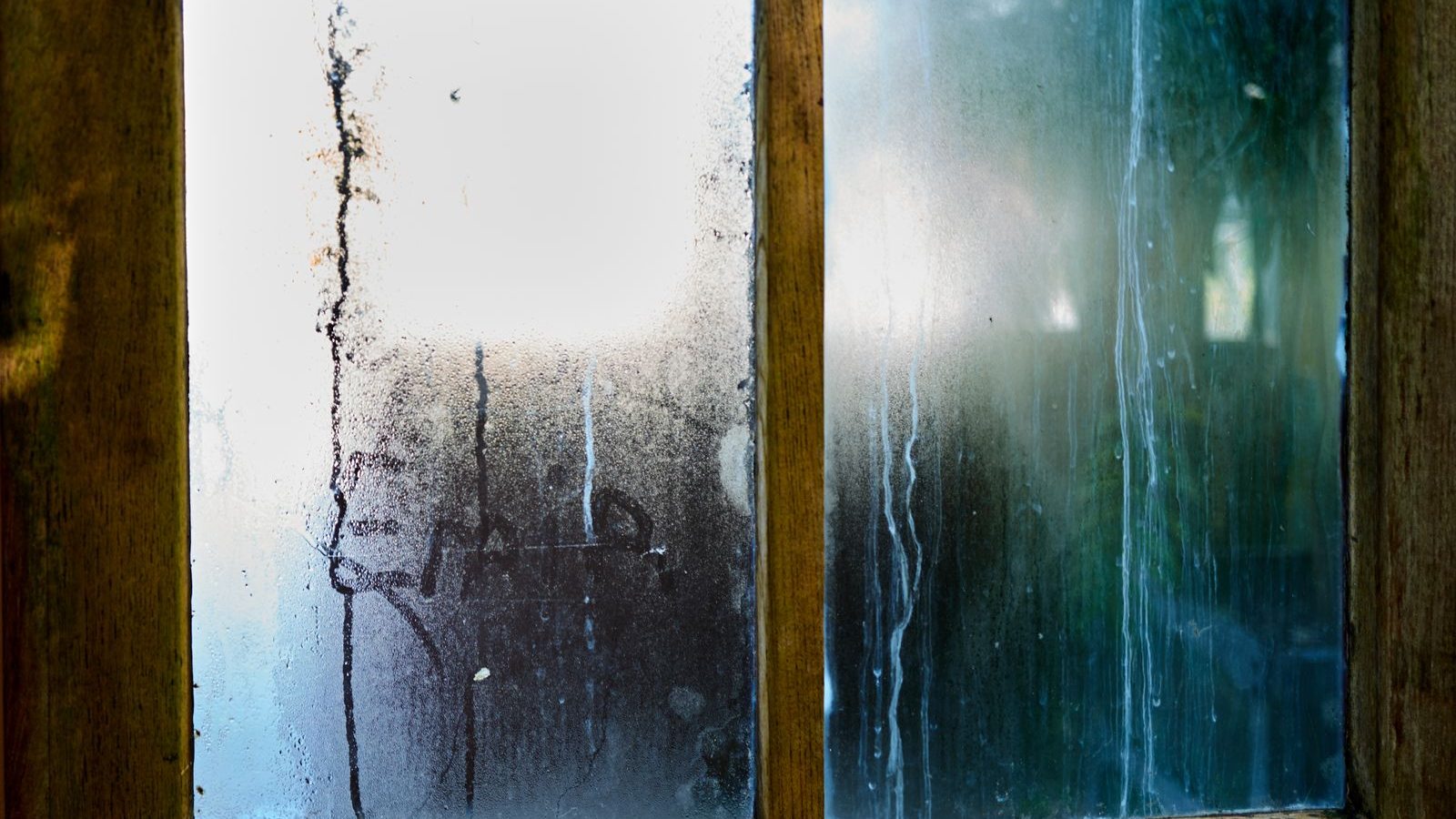
The U.S. Environmental Protection Agency recommends keeping indoor relative humidity between 30 and 50 percent, and below 60 percent at all times, to limit mold growth. In a cold climate, however, the safe winter level depends on the outdoor temperature. Windows and exterior walls are the coldest surfaces in the house, and when warm, moist indoor air meets them, the moisture condenses. In January in Rochester, a setting that is comfortable in November can produce water on the windows and damp patches inside exterior walls.
For that reason, the target humidity should fall as the outdoor temperature falls. The table shows a widely used starting point for homes with double-pane windows. Newer, tightly built homes with high-performance windows can usually sit at the upper end of each range, while older homes with single-pane or storm windows may need to stay below it. An automatic humidistat with an outdoor sensor makes these adjustments without any input from the homeowner.
| Outdoor temperature | Recommended maximum indoor humidity |
|---|---|
| Above 40°F | 45 percent |
| 20°F to 40°F | 40 percent |
| 10°F to 20°F | 35 percent |
| 0°F to 10°F | 30 percent |
| -10°F to 0°F | 25 percent |
| Below -10°F | 20 percent |
Window condensation is the clearest sign the setting is too high for the day. A little fogging at the bottom of the glass on the coldest morning is not unusual, but water running onto the sill, frost on the inside of the glass or damp corners in closets on exterior walls mean the humidistat should be turned down. Left unchecked, persistent condensation can lead to mold, peeling paint and rot in window frames.
A small digital hygrometer, available for a few dollars, is the best way to see what the humidifier is achieving. Placing one in a main living area and checking it on cold mornings shows whether the home is in the healthy range. If readings stay low even with the humidistat turned up, the humidifier may be undersized, the water panel may be scaled or the home may be losing too much air through gaps that weatherstripping and air sealing would reduce.
Whole-House Humidifier Maintenance: Water Panels, Valves and Drains
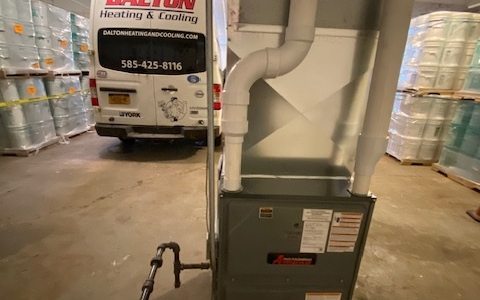
A whole-house humidifier needs little attention, but the attention it needs is important. The water panel collects the minerals left behind as water evaporates, and much of Monroe County is supplied with moderately hard water. As scale builds up, the panel absorbs less water and the humidifier delivers less moisture, even though it appears to be working. Replacing the panel at the start of each heating season restores full output and is the single most effective maintenance task.
The solenoid valve and the small water line that feed the humidifier also need checking. Mineral deposits can block the valve inlet or the orifice that meters water onto the panel, and the drain line can clog with scale and sediment, which may cause water to back up into the duct. On steam humidifiers, the canister collects minerals in the same way and must be cleaned or replaced on the schedule set by the manufacturer, more often where water is hard.
Seasonal whole-house humidifier checklist
- Step 1, fall start-up: fit a new water panel, open the water supply valve and set the humidistat to automatic or to the level for the season.
- Step 2, first cold week: check that water reaches the panel when the furnace runs and that the drain line flows freely.
- Step 3, through the winter: watch windows on cold mornings and lower the setting if condensation appears.
- Step 4, mid-season: in homes with hard water, inspect the panel and replace it if it is stiff with scale.
- Step 5, spring shutdown: close the water valve, set the humidistat to off and close the bypass damper on bypass models before air conditioning starts.
That last step is often missed. On a bypass humidifier, leaving the damper open in summer sends cooled air back to the return without passing through the house, which reduces air conditioning performance. Leaving the water on wastes water and can encourage growth on a panel that sits damp in warm weather. We include these checks in our fall maintenance visits so the humidifier is ready when the furnace starts running for the season.
Signs that a humidifier needs a service call include no water flowing to the panel, water leaking from the cabinet or the duct, a humidistat that no longer responds and white mineral dust around supply registers on steam or poorly drained units. Most of these are quick repairs, and the visit can be combined with the annual furnace safety inspection.
Whole-House Humidifier Installation for Rochester Homes, Including Boiler-Heated Houses
A typical whole-house humidifier installation takes three to five hours. The technician confirms the furnace model and supply air temperature, chooses the mounting location on the supply or return duct, cuts the duct openings, mounts the humidifier and any bypass duct, connects a cold water line through a shut-off valve, routes the drain to a floor drain or condensate pump, wires the unit to the furnace control and installs the humidistat and outdoor sensor. The system is then tested through a full furnace cycle.
Rochester homes add a few practical considerations. Water and drain lines must be kept away from cold exterior walls and unheated crawlspaces, where they can freeze during a deep cold snap. The drain needs a reliable path, because a condensate pump that also serves a high-efficiency furnace must have the capacity for both. Manufacturer warranties on many humidifiers also require professional installation, which is worth confirming before a do-it-yourself kit is purchased.
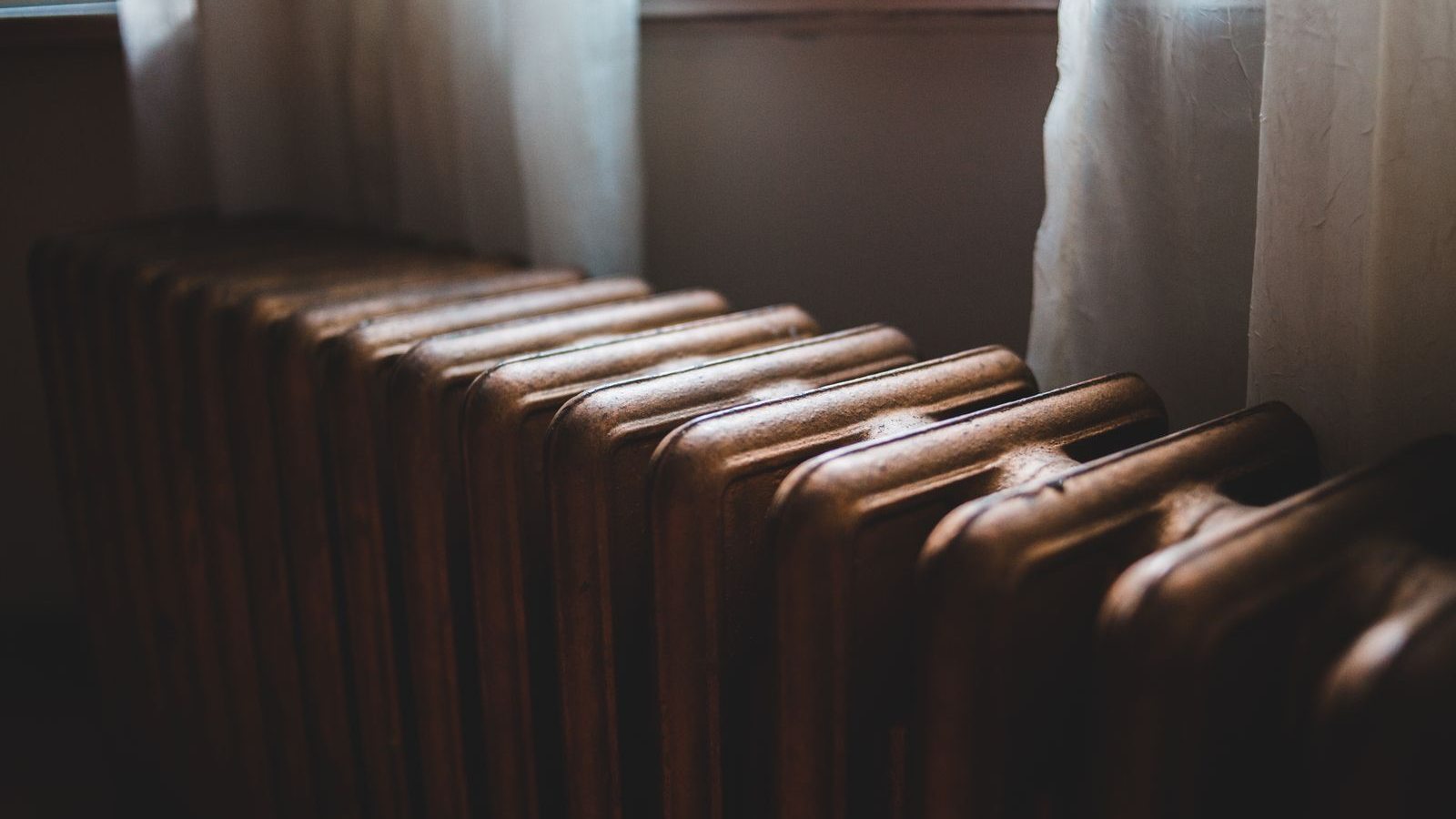
Homes heated by hot-water or steam radiators are common in the city of Rochester, Brighton, Irondequoit and many village centers. These homes have no ductwork for a furnace humidifier to use, so a conventional whole-house unit cannot be installed. Where the home has ducted central air conditioning, a steam humidifier can sometimes be added to the air handler and run with the fan in winter. Otherwise, high-capacity console humidifiers placed in main living areas and bedrooms are the practical choice, and our boiler service team can advise on the options when the boiler is serviced.
Every installation starts with a visit to look at the furnace, the ductwork, the water supply and the drain. That visit determines which humidifier type will work best and what the installation involves, and the written quote reflects exactly that work. For most forced-air homes in Greater Rochester, the humidifier can be installed in a single visit, often on the same day as a furnace tune-up.

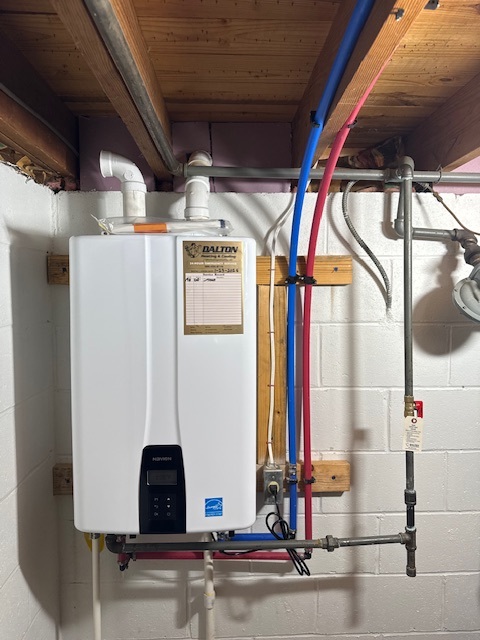


Dalton has installed furnaces, humidifiers, thermostats and indoor air quality equipment across Greater Rochester since 1989. Owner Darren Dalton is still involved in the business, and every humidifier recommendation is based on what the home actually needs rather than on the most expensive model available.
Book a Whole-House Humidifier Installation
Aprilaire and Honeywell bypass, fan-powered and steam humidifiers, sized for your home and installed with an automatic humidity control. Free written quotes across Greater Rochester.
Family-owned Rochester HVAC since 1989, free over the phone, free in-home quotes, no upsell.
Whole-House Humidifier Questions From Rochester Homeowners
How Much Does A Whole-House Humidifier Cost?
In the Rochester area a bypass humidifier typically costs $500 to $900 installed, a fan-powered humidifier $700 to $1,200 and a steam humidifier $1,200 to $2,500. The price includes the humidifier, a digital humidistat, the water and drain connections and labor. A written quote is provided after the furnace and ductwork have been checked.
Is A Whole-House Humidifier Worth It?
For most forced-air homes in a cold climate, yes. A whole-house humidifier keeps every room in a healthy humidity range, reduces static, dry skin and damage to wood floors and trim, and removes the need to refill portable units. Because humid air feels warmer, many households can also keep the thermostat a degree or two lower.
How Does A Furnace Humidifier Work?
An evaporative furnace humidifier runs water over a water panel mounted on the ductwork, and warm air from the furnace passes through the panel and picks up moisture before it reaches the rooms. A humidistat opens the water valve when humidity falls below the set level. A steam humidifier boils water and injects the steam directly into the duct.
What Should A Furnace Humidifier Be Set At In Winter?
The setting should fall as the outdoor temperature falls. A common guide is 40 percent when it is 20 to 40 degrees outside, 35 percent at 10 to 20 degrees, 30 percent at 0 to 10 degrees and 25 percent below zero. If condensation forms on the inside of the windows, turn the setting down.
How Often Should A Humidifier Water Panel Be Replaced?
Replace the water panel once a year at the start of the heating season, and twice a season in homes with hard water or heavy use. A panel that is stiff, discolored or crusted with mineral scale absorbs less water and should be replaced even if it is less than a year old.
Can A Whole-House Humidifier Cause Mold?
Only if humidity is set too high or the unit is not maintained. Keeping indoor humidity within the recommended range for the outdoor temperature, replacing the water panel each season and keeping the drain clear prevent the condensation and standing water that allow mold to grow.
Can You Add A Humidifier To An Existing Furnace?
Yes. A whole-house humidifier can be added to most existing forced-air furnaces in a single visit, provided there is space on the supply or return duct and a nearby water supply and drain. Homes heated by boilers and radiators have no ductwork, so a furnace humidifier cannot be fitted.